
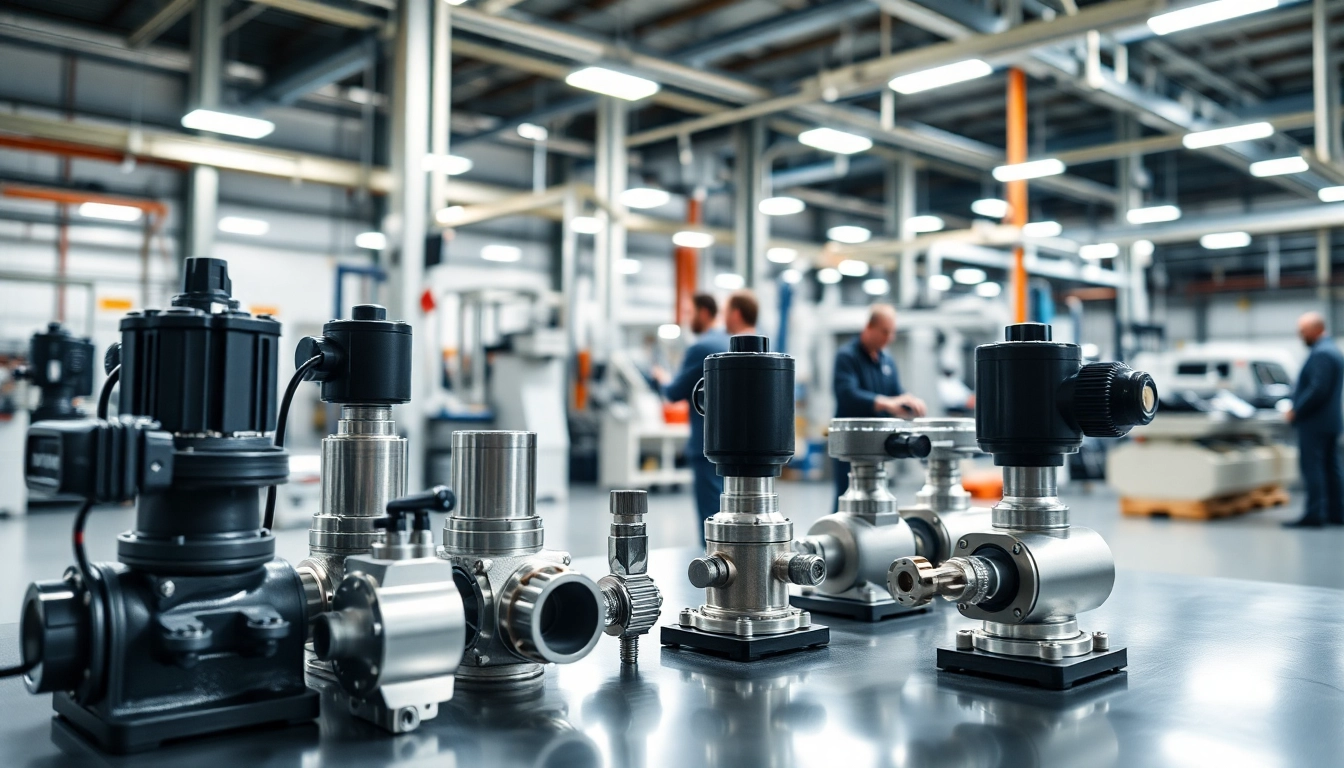
Understanding Fluid Power Systems
Fluid power systems are integral in various fields, leveraging liquids and gases to transmit power effectively. These systems harness the principles of hydraulics and pneumatics, facilitating the conversion of energy into motion or force. They find application in diverse industries, optimizing operational capabilities and driving modernization. In this comprehensive guide, we will delve into the intricacies of fluid power systems, exploring their types, underlying science, applications, benefits, challenges, and future developments. In addition, we will provide practical insights to help incorporate fluid power systems into various processes.
What Are Fluid Power Systems?
Fluid power systems utilize pressurized fluids to transmit and control power. Essentially, they transform mechanical energy into hydraulic or pneumatic energy, allowing for the manipulation of heavy loads and processes in an efficient manner. Hydraulic systems, which use liquids such as oil, are well-suited for applications requiring significant force, while pneumatic systems utilize gases like compressed air to enable lighter operational tasks.
At its core, fluid power harnesses the laws of physics, particularly Pascal’s Law, which states that pressure applied to a confined fluid is transmitted undiminished throughout the fluid. This principle allows for precise control and handling of loads, making fluid power systems essential in many sectors.
Types of Fluid Power Systems
There are two primary types of fluid power systems: hydraulic systems and pneumatic systems. Each serves specific roles and operates under different principles:
Hydraulic Systems
Hydraulic systems utilize incompressible liquids, usually oil, to transmit power. They are known for their ability to generate a substantial amount of force, making them ideal for heavy machinery and industrial applications. Key components of hydraulic systems include:
- Pumps: Converts mechanical energy into hydraulic energy by moving the liquid.
- Actuators: Converts hydraulic energy back into mechanical work, typically through cylinders or motors.
- Valves: Controls the flow and direction of the hydraulic fluid, ensuring precise operations.
Pneumatic Systems
Pneumatic systems operate using compressible gases, usually compressed air. They are less forceful than hydraulic systems but excel in speed and are commonly used in lighter applications. Essential components include:
- Compressors: Supplies compressed air to the system.
- Actuators: Drives mechanical movements with compressed air.
- Control valves: Regulates airflow and pressure within the system.
The Science Behind Fluid Power
The effectiveness of fluid power systems lies in their scientific principles, combining physics and engineering. The operation of these systems involves several mechanical and thermodynamic principles including:
Pascal’s Law
As mentioned earlier, Pascal’s Law is fundamental to hydraulic systems. It explains how pressure exerted on a confined fluid is transmitted undiminished. This allows small forces to be amplified through larger surfaces, leading to significant mechanical advantages.
Bernoulli’s Principle
Bernoulli’s Principle plays a crucial role in pneumatic systems. It states that an increase in the speed of a fluid occurs simultaneously with a decrease in pressure. This principle is essential for the operation of various pneumatic devices, allowing them to function efficiently.
Applications of Fluid Power Systems
Fluid power systems have myriad applications across different industries, demonstrating their versatility and efficiency. Below are some pivotal areas where these systems make a significant impact:
Industrial Machinery and Equipment
Fluid power systems are pivotal in industrial machinery, including robotic arms, conveyors, and presses. For example, hydraulic presses utilize fluid power to compress metal sheets, enabling precise shaping and finishing. Moreover, pneumatic systems are employed in assembly lines to quickly move and handle products.
Automotive Applications
The automotive industry relies heavily on fluid power systems, particularly hydraulic systems for braking and steering mechanisms. Hydraulic brake systems enhance safety while providing more responsive control. Furthermore, pneumatic systems are effective in activating power doors and lift gates in modern vehicles.
Aerospace and Defense Uses
In aerospace applications, fluid power systems are critical for aircraft control systems. They enable precise maneuvering of flaps, landing gear, and control surfaces. Additionally, hydraulic systems are essential for systems requiring forceful actuation, such as landing gear extension and emergency systems, ensuring safety and functionality during flights.
Benefits of Fluid Power Systems
Fluid power offers numerous advantages, making it a preferred choice in various applications. Some of these benefits include:
Energy Efficiency and Performance
Fluid power systems are known for their high energy efficiency. Hydraulic systems can perform heavy lifting with less energy compared to mechanical systems. Moreover, pneumatic systems provide quick and responsive action, which can enhance overall productivity in manufacturing environments.
Cost-Effectiveness in Operations
Implementing fluid power systems can lead to significant cost savings. With reduced energy consumption and maintenance costs, businesses find it economically viable to integrate these systems into their operations. Additionally, their longevity and reliability reduce the frequency of replacements and repairs.
Safety and Reliability Standards
Fluid power systems are designed to adhere to stringent safety standards and guidelines. Hydraulic and pneumatic systems are often equipped with safety valves, pressure regulators, and emergency shut-offs to prevent accidents. This reliability ensures consistent performance and minimizes downtime due to system failures.
Challenges in Fluid Power Systems
Despite their numerous advantages, fluid power systems are not without challenges. Recognizing and addressing these issues is crucial for maintaining optimal performance and efficiency.
Common Issues and Solutions
Fluid power systems can encounter various issues such as leaks, contamination, and component failures. To mitigate these risks, regular inspections and maintenance are essential. For instance, implementing a leak detection system can help in identifying and addressing leaks proactively. Additionally, maintaining fluid cleanliness is vital to ensure smooth operation.
Maintenance Best Practices
Adopting regular maintenance practices is essential for extending the lifespan of fluid power systems. Key best practices include:
- Regularly checking for leaks and temperatures.
- Replacing filters to maintain fluid cleanliness.
- Ensuring proper lubrication of moving parts.
Environmental Impact Considerations
Fluid power systems can have environmental implications, particularly concerning fluid leaks and waste management. Companies must adhere to environmental regulations and implement practices to minimize risks. Using biodegradable fluids or implementing secondary containment measures can help mitigate environmental impacts.
The Future of Fluid Power Systems
The landscape of fluid power systems is continuously evolving, driven by technological advancements and increasing demand for efficiency. Understanding current trends and future directions can help engineers and industry leaders prepare for the next generation of fluid power systems.
Innovations and Trends
Recent innovations in fluid power technologies have focused on enhancing energy efficiency and automation. Developments such as electro-hydraulic systems allow for more precise control while reducing energy consumption. Additionally, the integration of advanced sensors is enabling predictive maintenance, helping organizations avoid unexpected failures.
Integration with Smart Technologies
The future of fluid power systems lies in their integration with smart technologies and the Internet of Things (IoT). This integration enables real-time monitoring and data analysis, allowing for optimized performance and enhanced system control. Such advancements are setting the stage for smarter, more efficient operations in manufacturing and beyond.
Research and Development Directions
Ongoing research in fluid power focuses on enhancing efficiency, reducing environmental impact, and developing hybrid systems that combine the advantages of hydraulic and pneumatic power. By investing in R&D, companies can explore next-generation solutions that will redefine the capabilities of fluid power systems.
FAQs About Fluid Power Systems
1. What are the main components of a hydraulic system?
The primary components include pumps, actuators, valves, and hydraulic fluid, all working together to convert and transmit energy.
2. How do pneumatic systems differ from hydraulic systems?
Pneumatic systems use compressible gases, while hydraulic systems rely on incompressible liquids, leading to differences in performance and applications.
3. What are common applications of fluid power systems?
Common applications include industrial machinery, automotive systems, and aerospace controls, where effective power transmission is essential.
4. Why is maintenance important for fluid power systems?
Regular maintenance ensures optimal performance, prolongs lifespan, and prevents costly breakdowns due to leaks and component failures.
5. What advancements are being made in fluid power technology?
Innovations focus on increasing energy efficiency, integrating smart technologies, and enhancing automation for improved performance and control.
Contact Information
Call Us: 1 780-452-2876
Email: [email protected]
Address: 13111 159 St NW, Edmonton, AB, Canada, T5V 1H6