
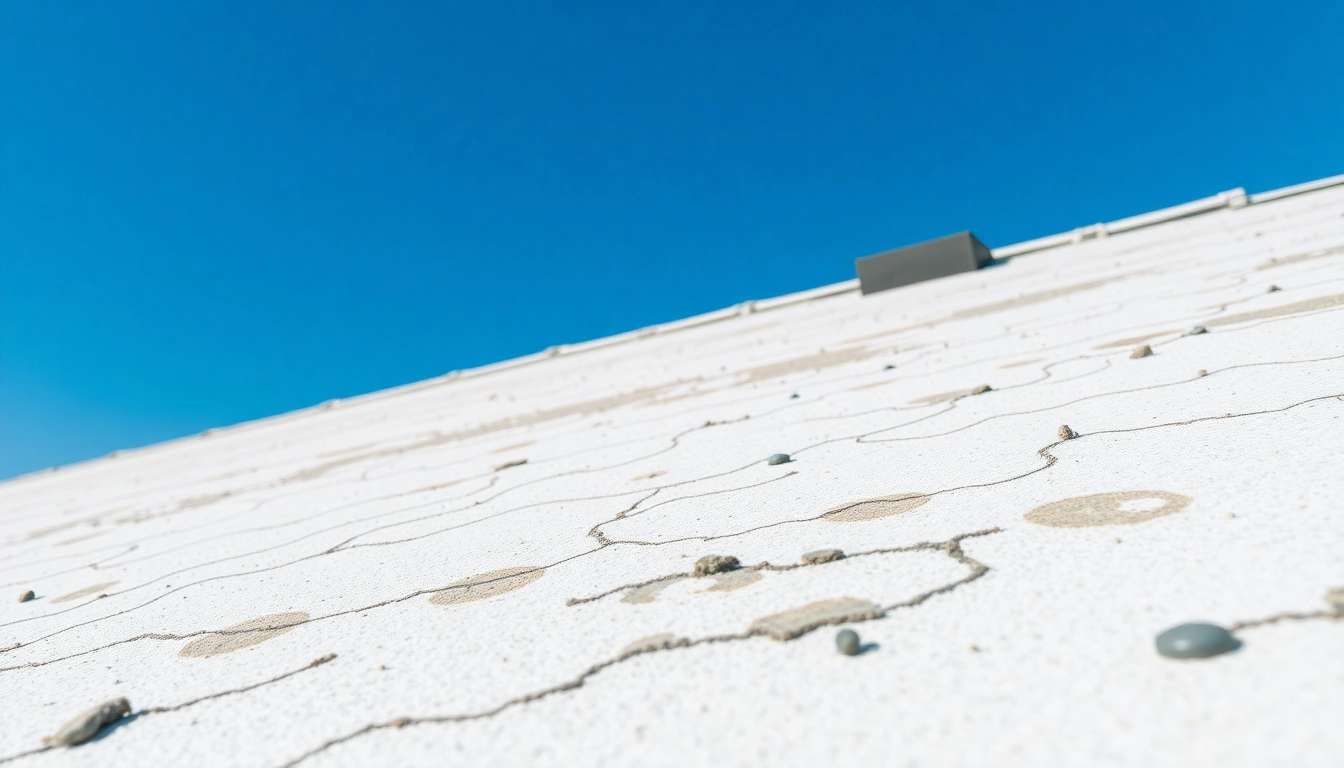
Understanding Spray Foam Roof Problems
Spray foam roofing has gained significant popularity due to its energy-efficient qualities and durability. However, like any roofing material, it can encounter issues over time. Understanding the potential spray foam roof problems is crucial for homeowners and property managers to ensure the longevity of their roofing system.
What Are the Common Types of Problems?
Spray foam roofs can experience a variety of problems ranging from aesthetic issues to structural deficiencies. Common types include:
1. Delamination: This occurs when the foam separates from the substrate, usually due to improper application or moisture intrusion. The bond is weakened, which can lead to further damage and reduced insulation efficacy.
2. Ponding Water: If water remains on the roof for an extended period, it can lead to deterioration of the foam and create a breeding ground for mold and mildew. Proper drainage is essential to prevent ponding.
3. Physical Damage: High winds, hail, and foot traffic can physically damage the foam layer, leading to cracks or punctures. These damages can compromise the roof’s integrity and lead to leaks.
4. UV Degradation: Over time, ultraviolet (UV) rays can break down the foam’s chemical structure if it is not properly coated. This degradation can result in weathering and loss of insulation properties.
5. Moisture Damage: If the spray foam is improperly installed or if there are gaps, moisture can penetrate and cause the foam to swell or deteriorate. This can lead to mold growth and reduced performance.
Signs of Spray Foam Roof Damage
Recognizing the signs of damage early can prevent costly repairs. Common indicators include:
– Water Stains: Look for water stains on ceilings or walls, which may indicate leaks in the roofing system.
– Cracks or Punctures: Visible surface damage should be addressed immediately to prevent further deterioration.
– Bubbles or Blisters: These can form on the surface and indicate moisture trapped within the foam.
– Decreased Energy Efficiency: A sudden spike in energy bills may suggest that the insulation is compromised.
– Unpleasant Odors: Musty smells can indicate mold growth due to moisture intrusion.
Causes of Issues in Spray Foam Roofs
Understanding what leads to spray foam roof problems can help in their prevention. Key causes include:
– Improper Installation: Incorrect application techniques can lead to poor adhesion and other structural issues.
– Environmental Factors: Extreme weather conditions, such as high winds, heavy rain, or excessive UV exposure, can accelerate deterioration.
– Lack of Maintenance: Failing to conduct regular inspections and maintenance can lead to unresolved issues magnifying over time.
– Poor Drainage Design: Roof designs that do not facilitate proper water drainage can result in water pooling, leading to serious problems.
Identifying Problems Early
Early detection of issues can save homeowners from extensive damage and financial strain. Here are ways to effectively identify problems.
Visual Inspection Techniques
Conducting a regular visual inspection can help in identifying potential issues before they escalate. Here are some practical tips:
– Roof Walks: Regularly walk the roof to check for physical damage, ponding water, or signs of UV degradation.
– Use of Binoculars: For hard-to-reach areas, binoculars can be useful for spotting potential issues from the ground or from a nearby building.
– Infrared Scanning: This technology can provide insights into thermal anomalies within the roofing system, indicating potential moisture issues beneath the spray foam.
When to Seek Professional Help
While DIY inspections can be effective, certain signs warrant professional intervention:
– Extensive Damage: If there are significant cracks, tears, or areas of delamination, a professional should assess the roof.
– Frequent Water Intrusion: Regular leaks indicate a systemic issue that requires expert evaluation.
– Structural Concerns: Any signs that may seem to threaten the structural integrity of the building should be assessed by a qualified roofing contractor.
Tools for Monitoring Roof Conditions
Enhancing awareness of roof conditions can be achieved using specific tools:
– Moisture Meters: These devices can detect moisture levels in the foam, helping to ascertain hidden leaks.
– Thermal Imaging Cameras: These cameras can visualize temperature differences on the roof, helping identify spots likely affected by moisture.
– Digital Inspection Tools: Drones equipped with cameras can provide detailed visual inspections of hard-to-access roofs safely.
Long-term Implications of Ignoring Problems
Ignoring the signs of spray foam roof problems can lead to severe consequences. Understanding these implications can motivate timely action.
Financial Risks of Roof Damage
Neglecting roofing issues can lead to expensive repairs or even complete roof replacement. The longer you wait, the more costly the repairs become. Leaks can lead to damage in insulation and interiors, increasing repair bills significantly. Moreover, failing to fix roof problems can result in increased energy costs due to reduced insulation effectiveness.
Impact on Property Value
A damaged roof can decrease property value significantly. Potential buyers view a compromised roof as a major red flag, often leading them to search for properties with sound roofing systems. In real estate, the roof is one of the first things assessed.
Potential Safety Hazards
Structural damage to roofs can pose safety risks, including risk of collapse or mold development that could impact indoor air quality. Mold has health implications for occupants, which can lead to serious health issues if not addressed promptly.
Repair and Maintenance Solutions
Addressing spray foam roof problems requires a strategic approach. Here are effective solutions.
DIY Repair Strategies
Small repairs can often be handled by homeowners. Recommended DIY strategies include:
– Cleaning: Remove debris and dirt from the roofing surface, which can cause moisture retention.
– Caulking: Use a compatible caulk to seal small cracks or gaps where moisture might intrude.
– Patch Kits: Small punctures can often be repaired using specialized spray foam patch kits available through home improvement stores.
When to Hire a Contractor
For significant damage or systematic issues, it is best to consult a contractor:
– Expertise: Professionals have the training and experience to accurately diagnose and repair complex roofing problems.
– Warranty Issues: Many spray foam roofing systems come with warranties requiring professional installation for guarantees to remain valid.
– Safety Concerns: Working at heights presents risks, and professionals are equipped to handle these safely.
Preventive Maintenance Practices
Implementing preventive maintenance can significantly prolong your spray foam roof’s lifespan:
– Regular Inspections: Schedule bi-annual roof checks to identify issues early.
– Debris Removal: Keep the roof free from leaves, branches, and other debris that might retain moisture.
– Coating Reapplication: A protective, UV-reflective coating can protect the foam from deterioration over time, extending its lifespan.
Frequently Asked Questions
What are the main causes of spray foam roof problems?
The main causes include improper installation, environmental stressors, lack of maintenance, and poor drainage design.
How can I tell if my spray foam roof needs repairs?
Look for water stains in your home, cracks on the roof’s surface, or increased energy costs which could signal insulation issues.
Are there any long-term effects of not fixing roof issues?
Yes, ignoring roof problems can lead to costly repairs, decreased property value, and potential safety hazards such as mold growth.
Can I repair a spray foam roof myself?
Minor repairs can often be handled by homeowners. However, significant issues should be addressed by professionals to prevent further damage.
What type of maintenance do spray foam roofs require?
Regular inspections, cleaning, and applying UV protective coatings are key maintenance practices to ensure the longevity of spray foam roofs.