
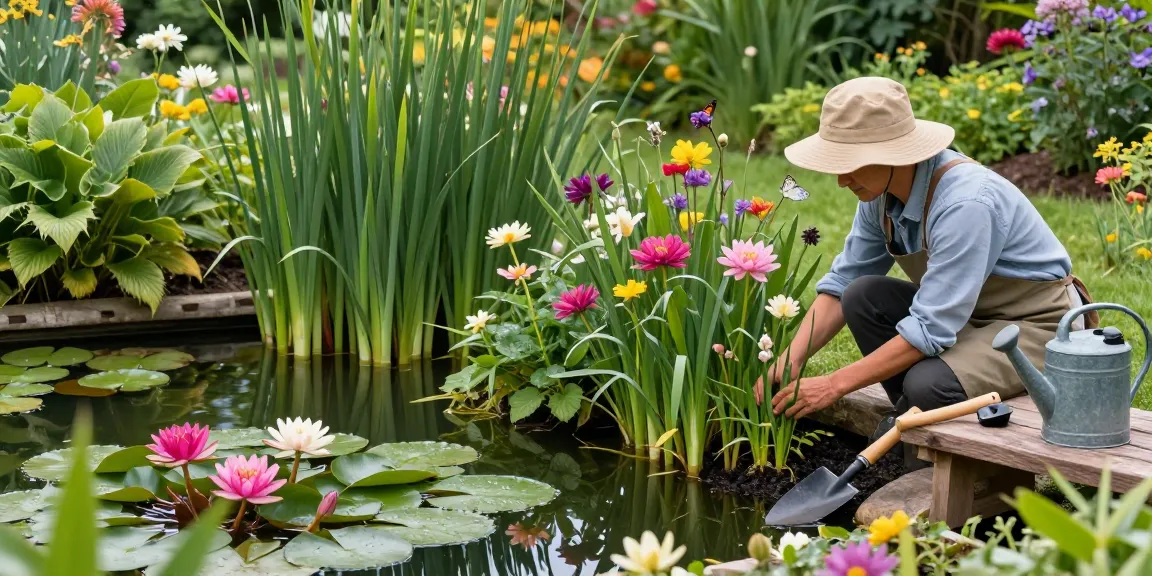
The Importance of Marginal Pond Plants
Marginal pond plants play a crucial role in creating a thriving aquatic ecosystem. These plants, which grow at the water’s edge, not only enhance the visual appeal of your pond but also contribute to its health by providing habitat for wildlife, preventing erosion, and filtering water. If you’re looking to elevate your garden’s aesthetics while benefiting the surrounding environment, Buy Marginal Pond Plants that are suited to your specific conditions. Understanding their significance is the first step towards creating a vibrant, sustainable pond.
What Are Marginal Pond Plants?
Marginal pond plants are those that grow in shallow water, often at the edges of ponds, lakes, and wetlands. Typically, their roots are submerged while their leaves and flowers remain above the water’s surface. This unique positioning allows them to thrive by accessing both water and air, making them vital for the overall ecosystem. Common examples include species like cattails, water lilies, and marsh marigolds, each bringing its own aesthetic and ecological benefits.
Benefits of Buying Marginal Pond Plants
Investing in marginal pond plants can lead to numerous advantages for your pond and garden. Here are some primary benefits:
- Wildlife Habitat: These plants provide essential habitats for various wildlife, including frogs, dragonflies, and birds.
- Water Quality Improvement: Marginal plants can help filter pollutants from the water, promoting healthier pond conditions.
- Erosion Control: Their root systems stabilize the soil, reducing erosion caused by wind and water movement.
- Aesthetic Appeal: They enhance the visual landscape of your garden, adding color and texture throughout the seasons.
How They Enhance Your Garden Ecosystem
By incorporating marginal pond plants into your garden, you are not only beautifying your space but also contributing to a balanced ecosystem. These plants create complex habitats that support diverse wildlife populations and improve the overall resilience of your pond ecosystem. They contribute to nutrient cycling, helping to maintain optimal conditions for aquatic life.
Choosing the Right Marginal Pond Plants
Factors to Consider When Buying
Selecting the right marginal pond plants involves several critical factors. Consider the following:
- Climate Compatibility: Ensure the plants you choose can thrive in your local climate conditions.
- Water Depth: Different species require varying depths of water; it’s vital to select plants suited to your specific pond depth.
- Sunlight Requirements: Understand how much sunlight your pond receives and choose plants that will flourish under those conditions.
- Maintenance Level: Some plants require more care than others; consider how much time you can dedicate to their upkeep.
Top Marginal Pond Plants for Various Conditions
Here are some of the top choices based on specific conditions:
- Shade-Tolerant: Look for plants like the Japanese Iris or Skunk Cabbage.
- Full Sun: Consider Blue Flag Iris or Marsh Marigold for vibrant blooms.
- Wet Conditions: Plants such as Cattails and Bulrushes thrive in consistently damp areas.
Common Mistakes to Avoid
While selecting marginal pond plants, be mindful of common pitfalls:
- Choosing non-native species that may disrupt local ecosystems.
- Failing to consider growth habits, leading to overcrowding in your pond.
- Ignoring the specific light and water requirements of each plant.
Proper Care for Marginal Pond Plants
Watering and Nutrient Requirements
Marginal pond plants typically thrive in their natural aquatic environments with adequate moisture levels. However, during dry spells, you may need to ensure the water level remains sufficient. When it comes to nutrients, a well-balanced aquatic fertilizer can help promote healthy growth. Remember to avoid over-fertilizing, as this can harm your pond’s ecosystem.
Pest and Disease Management
Just like any plant, marginal pond plants can face challenges from pests and diseases. Regular inspection can help catch issues early. Use organic methods for pest control whenever possible, and promote biodiversity in your garden to attract beneficial insects that will keep pests in check.
Seasonal Care Tips for Optimal Growth
Each season presents unique care challenges. Here are some tips:
- Spring: Clean up any debris from winter and consider repotting or dividing overgrown plants.
- Summer: Monitor water levels and keep an eye out for signs of algal blooms.
- Autumn: Trim back dead foliage to prepare plants for winter.
- Winter: Allow plants to go dormant naturally; avoid unnecessary disturbances.
Creating a Beautiful Pond Environment
Design Ideas for Your Pond Area
A well-designed pond can serve as a focal point in your garden. Consider integrating a variety of marginal plants to create layers of color and texture. Arrange them in clusters for a natural look, and use different heights to add visual interest. Incorporating stones and driftwood can enhance the natural feel of the pond.
Incorporating Wildlife-Friendly Features
Adding elements like bird feeders, butterfly gardens, and small rocks can attract a diverse array of wildlife to your pond. Creating a safe entry and exit point for frogs and other small animals will encourage them to visit, enhancing the ecological balance of your garden.
Balancing Aesthetics with Functionality
While aesthetics are essential, function should also dictate your pond design. Ensure that plants are not just pretty but serve a purpose, such as filtering water or providing shelter for aquatic creatures. A balance between beauty and practicality will yield the best results.
Future Trends in Pond Gardening (2026 and Beyond)
Innovative Plant Varieties to Look For
As gardening trends evolve, so do plant varieties. Emerging hybrids and cultivars that offer better resilience to pests and diseases are becoming increasingly popular. Look for plants that promise vibrant colors while maintaining hardiness, suitable for various climatic conditions.
How Climate Change Affects Pond Plant Choices
Climate change is dramatically influencing the types of plants we can cultivate successfully. Increasing temperatures and altered precipitation patterns require gardeners to adapt by choosing plants that can withstand these changes. Researching plant hardiness zones will help inform your decisions in the coming years.
Emerging Gardening Techniques for Sustainability
Sustainable gardening practices are garnering attention as environmental awareness grows. Techniques such as rainwater harvesting and organic composting are becoming popular among pond enthusiasts. Additionally, using local plant species can help reduce your ecological footprint while enhancing biodiversity.
What Are the Benefits of Marginal Pond Plants?
Marginal pond plants are not merely aesthetic; they are essential for ensuring a balanced, healthy pond ecosystem. They act as natural water filters, support wildlife, and enhance the longevity of your aquatic garden.
Can I Grow Marginal Pond Plants in Containers?
Yes! Growing marginal pond plants in containers can be a flexible option for those with limited space. Just ensure that the containers are large enough to accommodate the root systems and provide adequate water levels. This method allows for flexibility in plant arrangement and movement.
How Do I Maintain Water Quality for My Pond Plants?
Maintaining water quality is vital for the health of both your pond and its plants. Regular testing for pH levels, nutrients, and contaminants will help keep the water in optimal condition. Additionally, introducing beneficial bacteria can support the natural balance necessary for a thriving ecosystem.
What Are the Best Tools for Planting Marginal Pond Plants?
Essential tools for planting marginal pond plants include sturdy gloves, a spade, and containers for transport. Additionally, consider a pond net for managing debris and a gardening fork for aerating the soil around the plants.
How Can I Attract Wildlife to My Pond?
Attracting wildlife to your pond can be achieved by ensuring a variety of plants that provide food and shelter. Incorporate features that allow easy access, such as sloped edges or stepping stones. By maintaining a diverse ecosystem, you’ll naturally draw in wildlife eager to visit.