
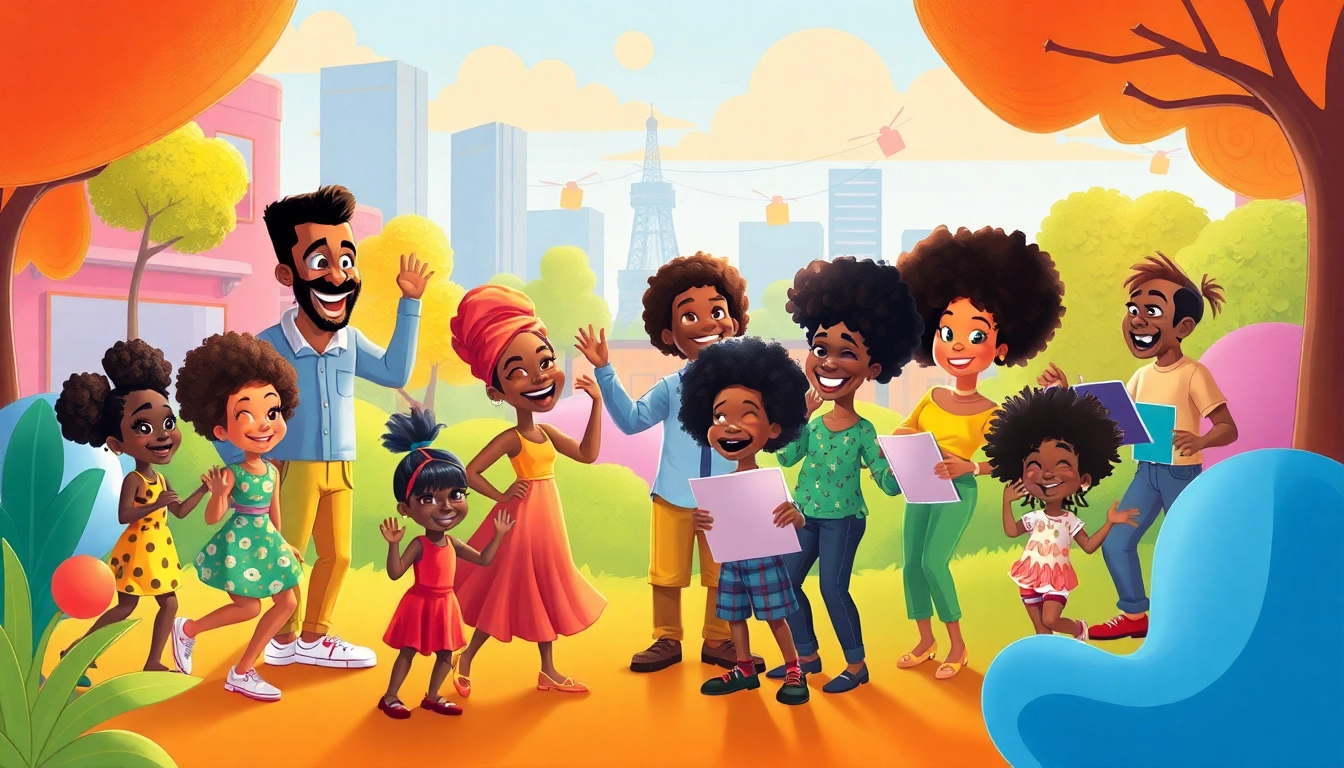
The Historical Impact of African American Cartoons
The realm of animation has been a vital platform for storytelling, often reflecting societal values and cultural narratives. Within this expansive canvas, African American cartoons have fought for recognition and representation since the early days of animation. They have evolved from caricatures that perpetuated stereotypes to dynamic narratives that celebrate Black culture, identity, and experiences. Understanding this transformation is essential for appreciating the richness these platforms bring, especially as we look toward future generations. When exploring options, African American Cartoons provide comprehensive insights into this vibrant history and its influence on today’s animation landscape.
The Evolution of Representation in Animation
The journey of African American representation in animation has been long and arduous. Initially, characters such as those found in the early Disney films were often portrayed using demeaning stereotypes that reflected the racial prejudices of their time. However, as the civil rights movement gained momentum, so too did calls for more authentic representation in all forms of media, including animation. The 1990s saw a significant shift with shows like “The Fresh Prince of Bel-Air” and “The Proud Family,” which began to showcase more relatable and multidimensional Black characters.
Notable Milestones in African American Cartoon History
Several milestones mark the history of African American cartoons. In the 1970s, the introduction of “Fat Albert and the Cosby Kids” revolutionized the portrayal of African American youth by addressing real-life issues through humor and education. The late 1990s and early 2000s saw the emergence of shows like “The Boondocks,” which tackled social issues with sharp wit and critical commentary, paving the way for future generations of Black animators and storytellers.
Influential Black Animators and Their Contributions
Black animators have made significant contributions to the field, with figures like Floyd Norman, the first African American animator at Disney, playing a crucial role. Norman’s work on classics like “The Jungle Book” and “Sleeping Beauty” laid the groundwork for future Black animators. More recently, creators like LeSean Thomas, known for “Cannon Busters,” and Aaron McGruder, the visionary behind “The Boondocks,” continue to shape the narrative, pushing the boundaries of Black representation in animation.
Celebrating Diverse Characters in Animation
Diversity in animation is vital for nurturing understanding and empathy among viewers. The inclusion of African American characters enriches the storytelling landscape, allowing for a multitude of voices and perspectives to shine.
Iconic African American Cartoon Characters and Their Stories
Characters such as Huey and Riley Freeman from “The Boondocks” and Penny Proud from “The Proud Family” are iconic representations of African American culture and experiences. These characters navigate their worlds in ways that resonate with viewers, offering unique insights into the challenges and triumphs faced by African Americans. Their stories are crucial for young viewers who see themselves reflected in these narratives.
Representation Matters: Why Our Kids Need These Cartoons
Representation in media, particularly animation, is essential for fostering a sense of belonging among young audiences. African American cartoons serve not just as entertainment but as a tool for cultural education. By showcasing diverse narratives, these shows help children appreciate different backgrounds, encouraging inclusivity and understanding.
Creating Relatable Characters for Future Generations
The creation of relatable characters is crucial for engaging young viewers. African American cartoons often draw on the richness of Black culture, ensuring that characters are not only relatable but also inspiring. This representation can empower children, showing them that their stories matter and that they can aspire to achieve greatness in a world that often overlooks them.
Top African American Cartoons to Watch
With the evolution of African American representation in animation, a plethora of engaging cartoons have emerged, appealing to children and adults alike. Below are some notable selections that should not be missed.
10 Must-See Shows for Kids and Teens in 2026
- The Proud Family: Louder and Prouder
- The Boondocks
- Cannon Busters
- Craig of the Creek
- Doc McStuffins
- Motown Magic
- Esme & Roy
- Black Lady Sketch Show
- Little Bill
- Fat Albert and the Cosby Kids
Underrated Gems: Hidden Treasures in Animation
While many African American cartoons have gained mainstream recognition, several underrated gems deserve attention. Shows like “The Legend of Tarzan” (featuring African American voice actors) and “Khumba” offer unique narratives that reflect African culture and heritage through animated storytelling. These lesser-known series provide depth and perspective, enriching the viewing experience for those willing to explore beyond the mainstream.
How to Find and Stream These Cartoons Today
With the rise of digital streaming platforms, accessing these beloved African American cartoons has never been easier. Services like Netflix, Hulu, and Amazon Prime regularly update their libraries to include a variety of shows, ensuring that audiences can find both new and classic series. Many networks also offer
dedicated online streaming options, allowing viewers to explore a diverse array of African American cartoons, enhancing their viewing experience.
Educational Benefits of Watching African American Cartoons
Aside from entertainment value, African American cartoons offer substantial educational benefits, making them invaluable for children. These shows provide insights into cultural history, social dynamics, and ethical dilemmas that are critical for developing informed and empathetic individuals.
Teaching History and Culture Through Animation
Animated series often incorporate historical and cultural references, making learning engaging for young viewers. Series like “Little Bill” and “Doc McStuffins” introduce children to important cultural moments, fostering an appreciation for their heritage and the world around them. Educational cartoons bridge the gap between entertainment and learning, ensuring that children not only watch but also absorb valuable lessons.
Promoting Social Conversations Among Young Viewers
By addressing themes such as friendship, family, and social justice, African American cartoons can prompt meaningful conversations between children and adults. These discussions help to cultivate a deeper understanding of societal issues, promoting social consciousness and encouraging the next generation to become advocates for change.
Engagement Strategies for Parents and Educators
Parents and educators can enhance the educational impact of African American cartoons through interactive discussions and activities. For example, after watching an episode, families can discuss the themes presented or create projects that further explore the characters’ experiences. This not only reinforces the lessons taught in the shows but also strengthens familial bonds and encourages parental involvement in children’s media consumption.
Future Trends in Animated Content for African American Audiences
The future of African American cartoons appears bright, with promising trends set to shape animated content over the coming years. As technology advances and new storytelling methods emerge, the potential for innovative narratives increases.
What’s Next for African American Animation Studios?
With the rise of independent creators and studios focused on African American narratives, we can expect a surge in diverse content. Projects developed by Black creators are becoming more mainstream, promising richer storytelling and more authentic representation. As these studios gain visibility and funding, they will likely push the boundaries of animation, exploring complex narratives that resonate with wider audiences.
Emerging Technologies in Animation and Their Impact
Technological advancements in animation, such as virtual reality (VR) and augmented reality (AR), are poised to revolutionize how stories are told. For African American cartoons, these technologies can offer immersive experiences, allowing viewers to engage with narratives in unprecedented ways. As developments continue, the integration of these technologies will likely provide unique opportunities for storytelling and audience interaction.
Anticipating Audience Desires: Trends for 2026 and Beyond
As audiences continue to demand more diversity, the animation industry will need to adapt to these expectations. Future trends may include a greater emphasis on intersectionality within narratives, exploring the lives of African Americans who identify with multiple aspects of diversity, such as gender, sexuality, and socioeconomic status. Additionally, audience engagement through social media and other platforms will create a two-way street for feedback and content development, ensuring that the cartoons of tomorrow resonate with viewers and authentically reflect their lives.