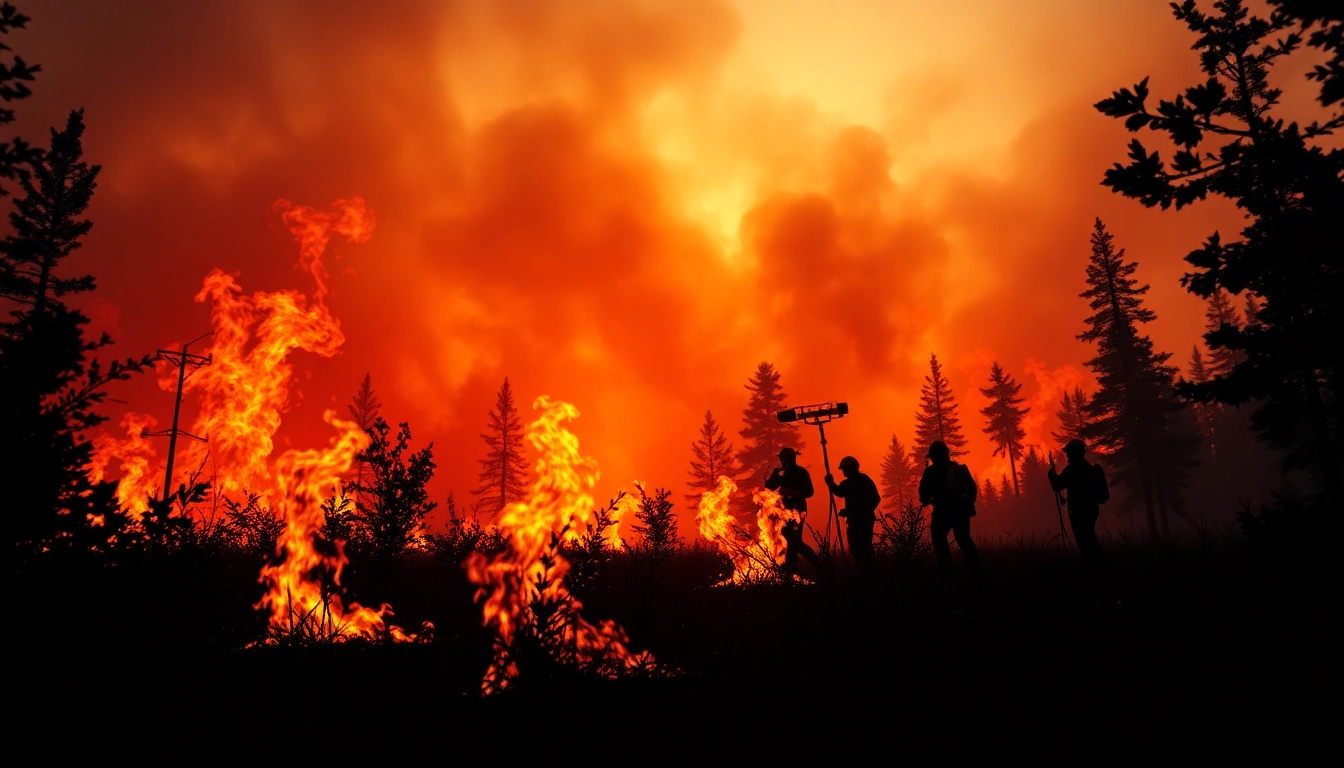
Defining Wildfire Events
Wildfires are increasingly prevalent and significant natural phenomena that can lead to devastating impacts on ecosystems, human health, and economies. Understanding the intricacies of these Wildfire events is essential for managing and mitigating their effects. This article explores what constitutes a wildfire event, its various types, and the characteristics that define it.
The Nature of Wildfire Events
A wildfire, often referred to as a forest fire or bushfire, is an uncontrolled fire that burns in natural areas such as forests, grasslands, and prairies. These fires can spread rapidly due to various contributing factors such as wind, temperature, and moisture levels. The resulting fire behavior can lead to dramatic changes in the landscape, as well as create hazardous conditions for wildlife and human populations.
Key Characteristics of Wildfire Events
Several characteristics define wildfire events:
- Spontaneity: Wildfires can occur suddenly due to natural causes like lightning strikes or can be ignited through human activities.
- Varied Intensity: The intensity can vary significantly, influenced by available fuel, weather conditions, and topography.
- Behavioral Patterns: Wildfires exhibit unique behaviors, such as spotting, where embers can ignite new fires several miles away, or crowning, where flames reach the tops of trees.
Types of Wildfire Events
Wildfires are categorized into several types based on their environment, spread patterns, and factors causing them:
- Forest Fires: These fires occur in wooded areas and are typically large-scale.
- Grassland Fires: Common in open fields and grasslands, these fires move quickly and can cover vast distances.
- Brush Fires: Often occurring in shrubs or scrubland, brush fires can be fierce but usually burn shorter than forest fires.
Causes of Wildfire Events
Understanding the causes of wildfire events is crucial for prevention and management strategies. Wildfires can result from both natural and human-induced factors.
Natural Causes of Wildfire Events
Natural causes account for a significant number of wildfires:
- Lightning Strikes: One of the most common natural igniters of wildfires, especially during thunderstorms.
- Volcanic Eruptions: Lava flows and pyroclastic flows from volcanoes can ignite surrounding vegetation.
- Spontaneous Combustion: In certain conditions, organic matter can ignite itself due to heat buildup.
Human-Induced Wildfire Events
Human activity is a leading cause of wildfires and comes in various forms:
- Negligence: Unattended campfires and discarded cigarettes can lead to unexpected wildfires.
- Arson: Deliberate actions to start fires can have severe environmental and social repercussions.
- Equipment Use: Sparks from machinery and vehicles can inadvertently ignite fires.
The Role of Climate Change
Climate change significantly influences wildfire occurrences and intensities. Rising global temperatures can create drier conditions, increasing the likelihood and duration of wildfire seasons. Moreover, shifts in precipitation patterns may contribute to prolonged droughts, further enhancing fire risks.
The Impact of Wildfire Events
The impacts of wildfire events are profound and multifaceted, affecting the environment, public health, and local economies.
Environmental Consequences of Wildfire Events
Wildfires significantly alter environments:
- Ecosystem Disruption: Fires can destroy habitats, displacing wildlife and leading to biodiversity loss.
- Soil Degradation: High temperatures can alter soil structure, reducing its fertility and increasing erosion risks.
- Air Quality Deterioration: Wildfires release smoke and particulate matter, which can travel hundreds of miles, affecting air quality.
Health Risks Associated with Wildfire Events
Exposure to wildfire smoke poses significant health risks:
- Respiratory Issues: Particulates and toxins can lead to respiratory diseases and aggravate existing conditions.
- Mental Health Strain: Survivors and evacuees often experience anxiety, depression, and post-traumatic stress due to the impacts of wildfires.
Socioeconomic Implications
The economic repercussions of wildfire events are considerable:
- Property Damage: Homes and businesses can be destroyed, leading to significant financial losses.
- Resource Allocation: Responding to wildfires requires substantial government funding, diverting resources from other essential services.
Preventing Wildfire Events
Prevention strategies are critical in minimizing the occurrence and impact of wildfires. Communities need to stay informed and proactive.
Wildfire Event Preparedness
Effective preparedness involves various proactive measures:
- Creating Defensible Space: Homeowners can create a buffer zone around their properties by clearing vegetation and using fire-resistant landscaping.
- Emergency Plans: Every household should have an emergency plan for swift evacuation when necessary.
- Education and Training: Programs that educate the public about fire safety and prevention strategies can significantly reduce ignition risks.
Community Initiatives Against Wildfire Events
Community-level actions can create a robust defense against wildfires:
- Community Firefighting Teams: Local volunteer fire brigades can provide rapid response and resources during wildfire events.
- Neighborhood Fire Safety Councils: These councils can promote safety regulations and awareness within communities.
Technology and Innovations in Prevention
Advancements in technology play a key role in wildfire prevention:
- Remote Sensing: Technologies like satellites and drones offer valuable tools for monitoring and detecting wildfires.
- Predictive Modeling: Computer modeling systems can forecast fire behavior, aiding in strategic planning for prevention and containment.
Responding to Wildfire Events
When wildfires occur, effective response strategies are vital to minimize damage and preserve life.
Emergency Response Strategies
Rapid and coordinated emergency response is essential:
- Incident Command Structure: Establishing a clear command hierarchy ensures organized and efficient responses to wildfires.
- Evacuation Routes: Communities need predetermined evacuation routes to facilitate safe and swift exits from affected areas.
The Role of Firefighting Agencies
Firefighting agencies are on the front lines during wildfire events:
- Collaboration: Agencies often collaborate across jurisdictions, pooling resources and personnel to combat large fires effectively.
- Equipment and Technology: Firefighters utilize specialized equipment and technology to handle complex wildfire situations.
Rehabilitation Post-Wildfire Events
Recovery and rehabilitation are critical after a wildfire:
- Restoration of Ecosystems: Efforts to restore habitats and plant native vegetation can help ecosystems recover.
- Community Support: Providing resources for affected individuals and families, including mental health support, is crucial for long-term recovery.
Frequently Asked Questions
What are Wildfire Events?
Wildfire events refer to uncontrolled fires occurring in natural landscapes that can devastate ecosystems, threaten lives, and cause economic loss.
How Do Wildfires Start?
Wildfires can start from natural causes like lightning or be ignited by human activities such as campfires and discarded cigarettes.
What Impacts Do Wildfires Have on Health?
Wildfires can lead to respiratory problems and mental health issues, affecting both those directly impacted and those breathing the smoke.
How Can Communities Prepare for Wildfires?
Communities can prepare by creating defensible spaces, developing emergency plans, and educating residents about fire safety measures.
What is the Role of Technology in Wildfire Management?
Technology assists in monitoring, predicting fire behavior, and planning effective responses to wildfire events through advanced remote sensing and modeling tools.