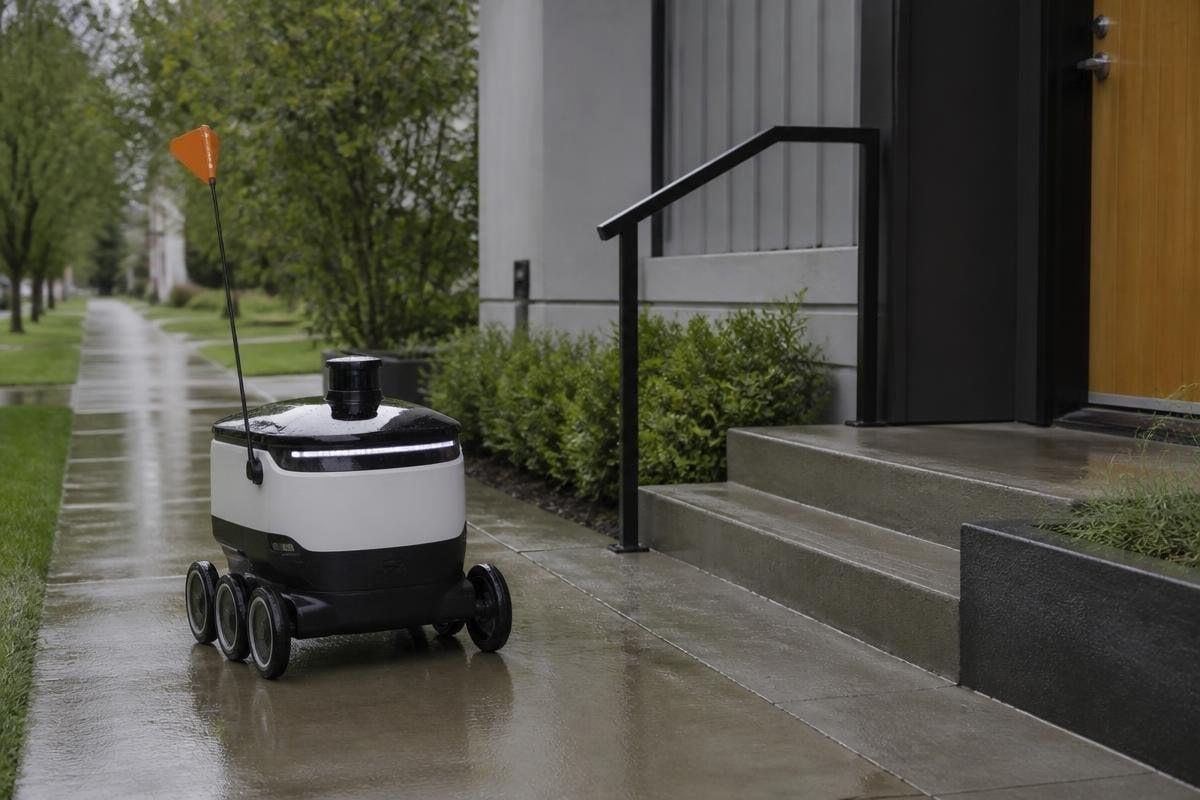
Introduction to Human Interface with AI
The advent of Artificial Intelligence (AI) has reshaped many aspects of human interaction, fostering a new wave of interfaces tailored to enhance user experience and efficiency. The concept of Human Interface with AI focuses on how humans interact with intelligent systems, exploring the communication dynamics and the collaborative potential of AI technologies. As AI becomes more entrenched in our daily lives, understanding the intricacies of this interface is crucial for creating systems that are not just functional but user-friendly and trustworthy.
Defining Human Interface with AI
Human Interface with AI refers to the methodologies and frameworks that dictate how humans communicate with and utilize AI systems. This encompasses user interfaces designed for interaction, including visual displays, auditory outputs, and even tactile responses in systems. At its core, the goal is to enhance the synergy between human intention and machine execution, ensuring that the interaction feels natural and intuitive. By prioritizing usability, these interfaces also facilitate the adoption of AI technologies across various sectors.
Importance of Human Interaction in AI Systems
Effective human interaction with AI systems is pivotal for several reasons. Firstly, it enhances user satisfaction and promotes engagement. When users feel comfortable and confident using AI tools, they are more likely to integrate these technologies into their routines effectively. Secondly, strong human-AI interaction can foster trust, which is essential for users to rely on AI-driven decisions, especially in critical areas like healthcare or finance. Lastly, understanding user behavior through interaction can lead to continuous improvements in AI systems for better outcomes.
Current Trends in Human Interface Design
Several current trends shape the landscape of human interface design in AI. Among these, personalization stands out, enabling systems to adapt to individual user preferences and behaviors. Moreover, the rise of multimodal interfaces—which combine various sensory inputs, such as voice, touch, and visual elements—creates a more fluid experience. Further, incorporating transparency in AI actions serves to demystify machine behavior, allowing users to understand the rationale behind AI decisions, thus fostering trust.
Key Components of Human Interface with AI
User Experience and Usability in AI
User experience (UX) is a paramount component in designing interfaces for AI. It encompasses aspects like user satisfaction, accessibility, and overall effectiveness of an AI system. An essential aspect of UX is ensuring that the interface is intuitive, allowing users to navigate seamlessly without the burden of complex commands. Usability testing plays a critical role here, as it helps identify potential pain points in the interface, ensuring a smooth interaction process.
Interaction Models: From Commands to Collaborations
Traditionally, human interfaces with AI revolved around a command-response model, where users input directives and expect specific outcomes. However, as AI technologies advance, interaction models are evolving towards collaboration frameworks. This shift means that systems are being designed to work hand-in-hand with users, responding dynamically and adapting to changing user inputs or environmental factors. Such collaborative systems enable richer interactions and can significantly enhance productivity.
The Role of Feedback in Human-AI Interaction
Feedback is critical in shaping interactions between humans and AI. Positive feedback reinforces user actions, while constructive feedback can guide users towards desired outcomes. For example, AI systems that provide real-time feedback on user progress can help in learning scenarios or skill development. Moreover, the manner in which feedback is delivered—whether through visual cues, auditory signals, or haptic responses—can influence user engagement and learning, making it a vital aspect of interface design.
Best Practices in Designing Human Interfaces with AI
Creating Intuitive User Interfaces
To develop intuitive user interfaces for AI systems, designers should focus on simplicity and clarity. Interfaces should prioritize essential features, reduce cognitive load, and utilize familiar design patterns to minimize learning curves. Techniques such as user-centered design, where user feedback drives the development process, can ensure that interfaces meet real-world needs. Additionally, incorporating visual hierarchy and logical flow can enhance user navigability, leading to a more engaging experience.
Emphasizing Accessibility and Inclusivity
Accessibility is crucial in ensuring that AI systems are usable by everyone, regardless of ability or disability. Design practices should adhere to established guidelines, such as offering alternative text for visual elements and customizing interaction methods (e.g., voice commands versus touch inputs). Inclusivity goes a step further by considering diverse user backgrounds, allowing for different cultural interpretations and language preferences. This ensures that interfaces cater to a broad audience, maximizing user engagement and satisfaction.
Ethical Considerations in AI Interaction Design
As AI technology advances, so too do the ethical implications of its interactions. Designers must navigate concerns related to data privacy, bias in AI decision-making, and the potential for misuse. Ethical AI interaction design emphasizes transparency in algorithms, ensures equitable access to technology, and prioritizes user consent. By integrating ethical considerations into the design phase, developers can foster trust and responsibility in AI implementations, ultimately leading to more socially responsible technology.
Challenges in Human Interface with AI
Barriers to Effective Human-AI Communication
Despite advancements, barriers still exist that impede effective communication between humans and AI. Misunderstanding user intents can lead to errors, confusion, and frustration. Additionally, technical limitations and inconsistencies in language processing can affect accuracy in AI responses. To overcome such barriers, developers should implement intuitive language processing capabilities and include user training materials to foster understanding of system capabilities and limitations.
Addressing Trust Issues in AI Systems
Trust is a crucial element for successful human-AI interactions. If users lack confidence in AI systems, they may refrain from fully utilizing their capabilities. Trust issues often stem from perceived lack of transparency or past failures. Building trust can involve enhancing explainability in AI decisions, providing detailed insights into how algorithms function, and maintaining consistent performance to reassure users of the technology’s reliability.
Mitigating Misuse and Misunderstanding of AI
Misuse of AI technology can occur when users misunderstand its intended applications or capabilities. To mitigate these risks, education is key. Clear communication regarding purpose and limits should be embedded at the interface level, guiding users in appropriate usage contexts. Moreover, implementing safeguards within AI systems can help prevent misuse while encouraging ethical engagement with technology.
Future of Human Interface with AI
Emerging Technologies Influencing Human-AI Interaction
As advancements in technology continue, new modalities for human-AI interaction are being developed. Technologies such as augmented reality (AR), virtual reality (VR), and brain-computer interfaces promise to revolutionize how users connect with AI. These innovations enhance immersion and provide more naturalistic interaction methods, potentially enabling more seamless communication between humans and AI systems.
Predictions for User Interfaces with AI Integration
The future of user interfaces will likely lean towards hyper-personalization, where AI learns and adapts to individual user behaviors in real-time. Interfaces may also become more intelligent, utilizing predictive capabilities to anticipate user needs and streamline interactions. Moreover, the convergence of AI with IoT devices will enable contextual interactions that are highly responsive to environmental factors, further enriching the user experience.
Long-Term Impacts on Society and Work
The integration of AI into daily life will profoundly influence both societal norms and workplace dynamics. As AI tools enhance productivity and efficiency, there may be shifts in job roles, emphasizing the importance of human-AI collaboration. Long-term, societies must adapt to these changes, ensuring that the workforce is equipped with the necessary skills to thrive alongside AI technologies. Ethical considerations will also play a key role in shaping policies around AI use, emphasizing responsible innovation.
FAQs about Human Interface with AI
What defines the Human Interface with AI?
The Human Interface with AI refers to how users interact with AI systems, including commands, outputs, and collaboration between humans and AI technologies.
Why is human interaction important in AI systems?
Human interaction is vital because it enhances user experience, fosters trust, and ensures that AI systems meet real-world needs through effective communication.
What are some trends in human interface design?
Current trends include personalization, multimodal interfaces, and transparency in AI operations, all aimed at improving user engagement and satisfaction.
How can designers ensure accessibility in AI systems?
Designers can enhance accessibility by incorporating guidelines for usability, offering alternative inputs, and considering diverse cultural backgrounds in their interfaces.
What future developments can we expect in human-AI interaction?
Expect advancements in personalized and intelligent interfaces, emerging technologies like AR and VR, and greater integration with IoT devices for seamless interactions.