Understanding Astaxanthin: The Super Antioxidant
In the realm of dietary supplements, few compounds have gained as much attention for their astounding health benefits as astaxanthin. This vibrant red carotenoid, derived primarily from microalgae, has been recognized as a potent antioxidant with the potential to improve various aspects of health. As more individuals seek natural ways to enhance their well-being, astaxanthin softgels have emerged as a popular choice. This article will delve deep into the world of astaxanthin, exploring its benefits, the best ways to incorporate it into your routine, and what the future holds for this remarkable supplement.
What is Astaxanthin?
Astaxanthin is a carotenoid pigment predominantly found in microalgae, krill, and various seafood, such as shrimp and salmon. Its bright coloration is responsible for the pink and red hues seen in these organisms. More than just a colorant, astaxanthin is recognized for its exceptional antioxidant properties, which have been shown to surpass those of other well-known antioxidants like vitamin C and vitamin E. It is vital in protecting cells from oxidative stress and inflammation, making it a powerful component in promoting health and longevity.
Health Benefits of Astaxanthin Softgels
Astaxanthin softgels offer several health benefits that can enhance overall wellness. Some of the most notable benefits include:
- Powerful Antioxidant Properties: Astaxanthin is believed to be up to 6000 times more effective than vitamin C at neutralizing free radicals, making it a formidable ally in combatting oxidative stress.
- Supports Eye Health: Research indicates that astaxanthin may help reduce eye fatigue and strain, potentially improving overall eye function, especially in those who spend long hours in front of screens.
- Enhances Skin Health: Its anti-inflammatory properties can aid in reducing signs of aging, improving skin elasticity, and minimizing damage from UV exposure.
- Boosts Athletic Performance: Athletes may benefit from astaxanthin, as it can help reduce muscle soreness and enhance recovery times after strenuous exercise.
- Supports Cardiovascular Health: Astaxanthin may improve blood circulation and reduce blood lipids, contributing to better heart health.
How Astaxanthin Works in the Body
Astaxanthin's potency as an antioxidant stems from its unique structure, which allows it to easily cross cell membranes and protect various tissues. It works primarily by neutralizing free radicals and reducing oxidative stress within the body. Additionally, astaxanthin aids in modulating inflammatory responses, which can further enhance health outcomes, especially for individuals suffering from chronic inflammatory conditions. Its ability to support mitochondrial function also plays a role in improving overall energy levels and endurance.
Choosing the Right Astaxanthin Softgels
With the growing popularity of astaxanthin, the market is flooded with various supplement options. To ensure you choose high-quality astaxanthin softgels, it’s essential to understand what to look for. Below are key factors to consider:
Types of Astaxanthin Supplements
There are mainly two types of astaxanthin supplements available: synthetic and natural. Natural astaxanthin is extracted from microalgae and is generally considered more effective due to its higher potency and bioavailability. Synthetic alternatives are often less expensive but may not provide the same health benefits as their natural counterparts. When selecting a product, look for those sourced from reputable algae species such as Haematococcus pluvialis.
Key Ingredients to Look For
In addition to astaxanthin, check for the presence of other synergistic ingredients that enhance its effects, such as:
- Omega-3 Fatty Acids: These essential fats work in tandem with astaxanthin to promote cardiovascular and cognitive health.
- Vitamins C and E: These vitamins further enhance antioxidant protection and can support skin health when combined with astaxanthin.
How to Read Supplement Labels Effectively
When browsing for astaxanthin softgels, it is crucial to read the supplement label carefully. Look for the following:
- Dosage: Most studies suggest a daily dosage of 4-12 mg of astaxanthin for optimal health benefits.
- Purity: Ensure that the supplement is free from contaminants and fillers. Third-party testing and certifications can provide assurance of product quality.
- Bioavailability: Some formulations may include additional oils (like olive or coconut oil) to improve absorption.
Incorporating Astaxanthin into Your Daily Routine
Integrating astaxanthin into your daily regimen can be straightforward and enjoyable through various methods. Here are some effective strategies for supplementation:
Best Practices for Supplementation
To maximize the benefits of astaxanthin, consider these best practices:
- Consistency is Key: Take astaxanthin softgels at the same time daily to establish a routine and promote regular use.
- Combine with Meals: For better absorption, take astaxanthin with a meal that contains healthy fats.
- Monitor Your Response: Keep track of any changes in health or well-being after starting supplementation to determine its impact.
Delicious Recipes with Astaxanthin
Incorporating astaxanthin-rich foods into your diet can be another effective way to enjoy its benefits. Consider these delicious recipes:
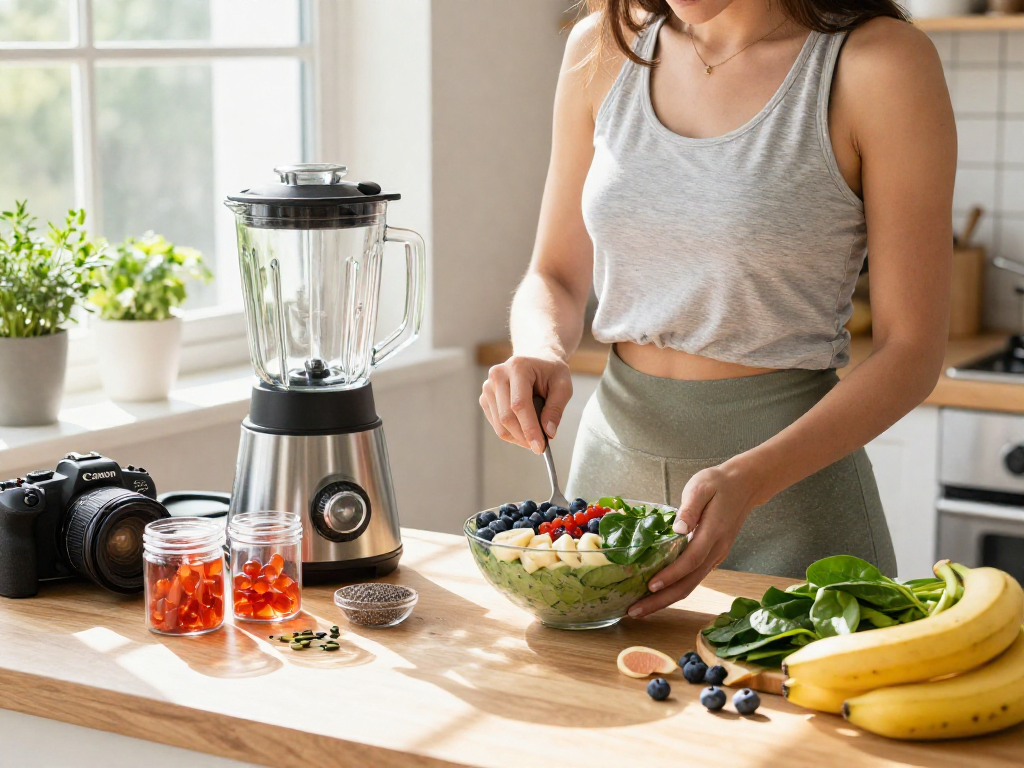
- Astaxanthin Smoothie: Blend together coconut milk, a banana, a handful of spinach, and a scoop of astaxanthin powder for a refreshing smoothie.
- Salmon Salad: Use grilled salmon rich in astaxanthin combined with mixed greens, cherry tomatoes, and a light vinaigrette dressing for a nutrient-packed meal.
Combining Astaxanthin with Other Supplements
Astaxanthin can synergize well with other supplements. For example, pairing it with omega-3s can enhance cardiovascular support, while combining it with probiotics can promote gut health. Always consult with a healthcare provider before combining supplements to ensure safety and efficacy.
Targeting Specific Health Goals with Astaxanthin
Astaxanthin is versatile and can be tailored to meet specific health goals. Whether you aim to improve athletic performance or enhance skin health, this supplement offers support.
Improving Athletic Performance
Astaxanthin is gaining popularity among athletes for its ability to reduce fatigue and inflammation. Studies suggest that it may help enhance endurance and recovery times, which can be beneficial during rigorous training sessions. Supplementation can lead to improved strength and reduced muscle soreness, making it a go-to for fitness enthusiasts.
Enhancing Skin Health
For those looking to boost skin health, astaxanthin has shown promise in reducing the appearance of fine lines and improving skin hydration. It acts as a natural sunscreen by protecting skin cells from UV radiation and oxidative damage. Regular intake can lead to a more radiant complexion over time.
Boosting Immune Function
Astaxanthin also plays a role in enhancing immune responses. Its antioxidant capabilities can support the body in fighting off infections and reducing inflammation. This is particularly beneficial during flu season or for those with weakened immune systems.
Future Trends in Astaxanthin Usage
The future of astaxanthin appears bright, with emerging research and consumer trends indicating increased popularity and utilization in various health arenas.
Emerging Research and Innovations
As research continues, new applications for astaxanthin are being explored, ranging from its potential role in neuroprotective therapies to its use in cosmetic formulations. Innovative delivery methods, such as liposomal technology, are also being studied to enhance the bioavailability of astaxanthin in supplements.
Consumer Trends for 2026 and Beyond
As consumers become more health-conscious, the demand for natural supplements like astaxanthin is expected to grow. Preferences for clean-label products that are sustainably sourced will drive manufacturers to focus on transparency and quality in their offerings.
Expert Insights on Astaxanthin
Experts predict that the continued rise of astaxanthin in dietary supplements will be bolstered by marketing campaigns emphasizing its natural origins and scientifically-backed health benefits. As knowledge about its applications spreads, more consumers will seek out astaxanthin for its diverse advantages.
What are the health benefits of astaxanthin softgels?
Astaxanthin softgels offer numerous health benefits, including enhanced antioxidant protection, improved skin appearance, reduced exercise-induced fatigue, and support for cardiovascular health.
How to choose quality astaxanthin softgels?
To choose quality astaxanthin softgels, look for natural sources, check for third-party testing, and ensure that the product provides the effective dosage range of 4-12 mg per day.
Can astaxanthin help with skin health?
Yes, astaxanthin can improve skin health by reducing signs of aging, enhancing skin elasticity, and providing protection against UV-induced damage.
What is the recommended dosage for astaxanthin?
The recommended dosage for astaxanthin typically ranges from 4 to 12 mg per day, depending on individual health goals and product formulation.
Are there any side effects of taking astaxanthin?
Astaxanthin is considered safe for most people when taken in recommended doses. However, some may experience mild digestive upset or allergic reactions. It’s always advisable to consult with a healthcare professional before starting any new supplement.