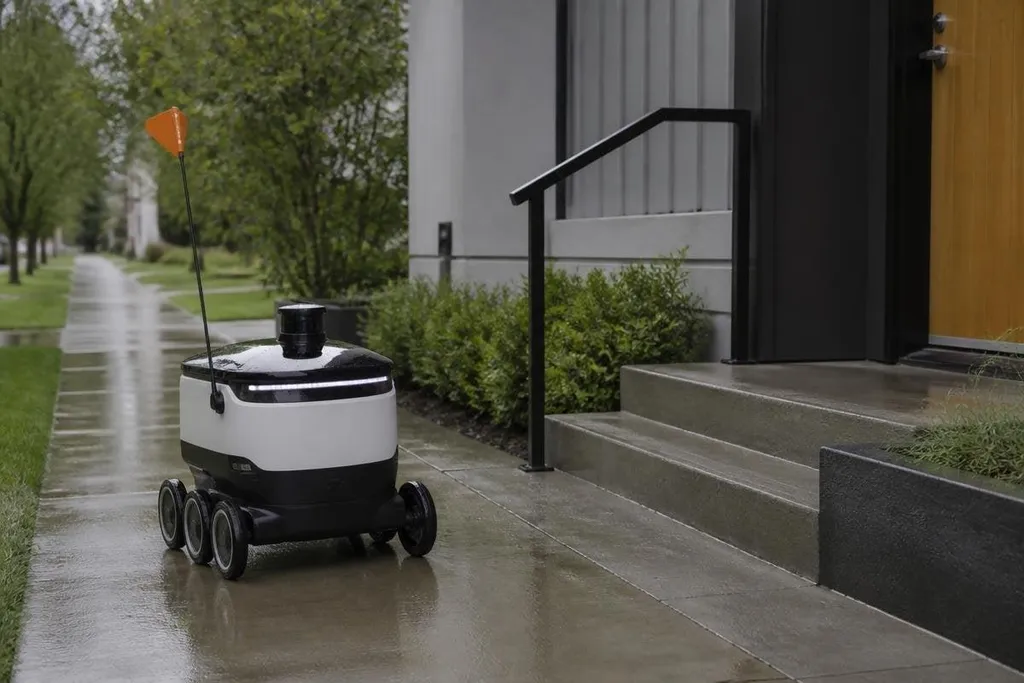
A delivery robot may travel only a few kilometres, yet the hardest part can be the final 20 metres. Curbs, doors, people, weather, and missing addresses turn a short trip into a chain of small decisions.
For the companies building these machines, the next stage will depend on repeatable routes and clear handoffs. The robot that reaches a fixed drop point every day has a better case than one designed to handle every doorstep.
Quick read
- Repeatable routes will be easier to run than open-ended door delivery.
- Remote help will remain part of many robot fleets.
- Secure drop boxes and site rules may matter as much as sensors.
The route decides the robot
A last-mile robot needs to sense its surroundings, choose a safe path, and stop when the path is unclear. Cameras can read signs and spot people. LiDAR can measure distance. Wheel motors and steering hardware turn that information into movement.
Those parts still have to work together beside parked cars, cracked pavement, temporary barriers, and crowded entrances. A route that looks easy on a map can contain several points where the robot must slow down, wait, or ask for help.
That makes route design a business decision as much as a software task. A campus, housing complex, hospital site, or business park may offer fixed roads, known buildings, and set delivery zones. A city-wide service faces more changes with every trip.
The most useful early routes may be the ones with clear boundaries. A robot can travel between a loading area and a group of lockers, then return to its charging point. That pattern gives operators a known start, a known end, and a place to check when something goes wrong.
People still sit inside the system
Autonomy does not remove every human task. A remote operator may need to review a blocked path, confirm a safe route, or guide the robot past an unusual obstacle. The machine handles normal movement while people deal with cases its software cannot classify.
This changes what companies need to measure. They may care less about a perfect demonstration and more about how often a robot asks for help, how long each case takes, and whether one operator can support several machines without missing a safety warning.
Last-mile plans need records from the curb to the customer. Reports on Robot24.com can place a robot’s route, handoff method, test date, and human takeover beside the result. Those details show whether the operator workload still fits when streets, weather, and customer access slow the delivery.
A practical service also needs a clear handoff. The customer may enter a code, open a locked compartment, or collect a package from a staffed point. Each step adds a rule, yet each rule can remove uncertainty from the trip.
The hard parts are outside the brochure
Weather will test the sensors and drive system. Rain can change what cameras see. Snow, leaves, and standing water can alter the surface beneath the wheels. A steep curb ramp can turn a normal route into a recovery problem.
Security creates another limit. A robot carrying food, medicine, or parcels needs a way to keep the load closed during travel. It also needs a plan for theft, damage, and a customer who cannot reach the drop point.
The public space matters too. A robot moving near pedestrians needs clear speed limits, warning signals, and a safe response when someone steps into its path. Those rules may differ from one site to the next, which makes a single operating model hard to copy everywhere.
I'd plan around repeatable routes, fixed handoff points, and measured remote support before paying for open city delivery.
A buying guide for the next pilot
Use this checklist before choosing a route or robot:
- Map the handoff: mark the exact place where the customer receives the package.
- Count the barriers: record curbs, gates, doors, narrow paths, and steep ramps.
- Set the help rule: define when a remote operator must take over.
- Test the container: check access codes, locking, weather protection, and load size.
- Measure the return trip: include charging, battery checks, and the time to reset the robot.
- Record exceptions: log blocked paths, missed customers, unsafe stops, and damaged goods.
The next useful result will come from a route that runs for weeks with the same rules. If the robot can finish that route, ask for help at a known rate, and keep each handoff secure, last-mile delivery has a workable starting point. If every trip needs a new fix, the route is still a trial, whatever the demo shows.