
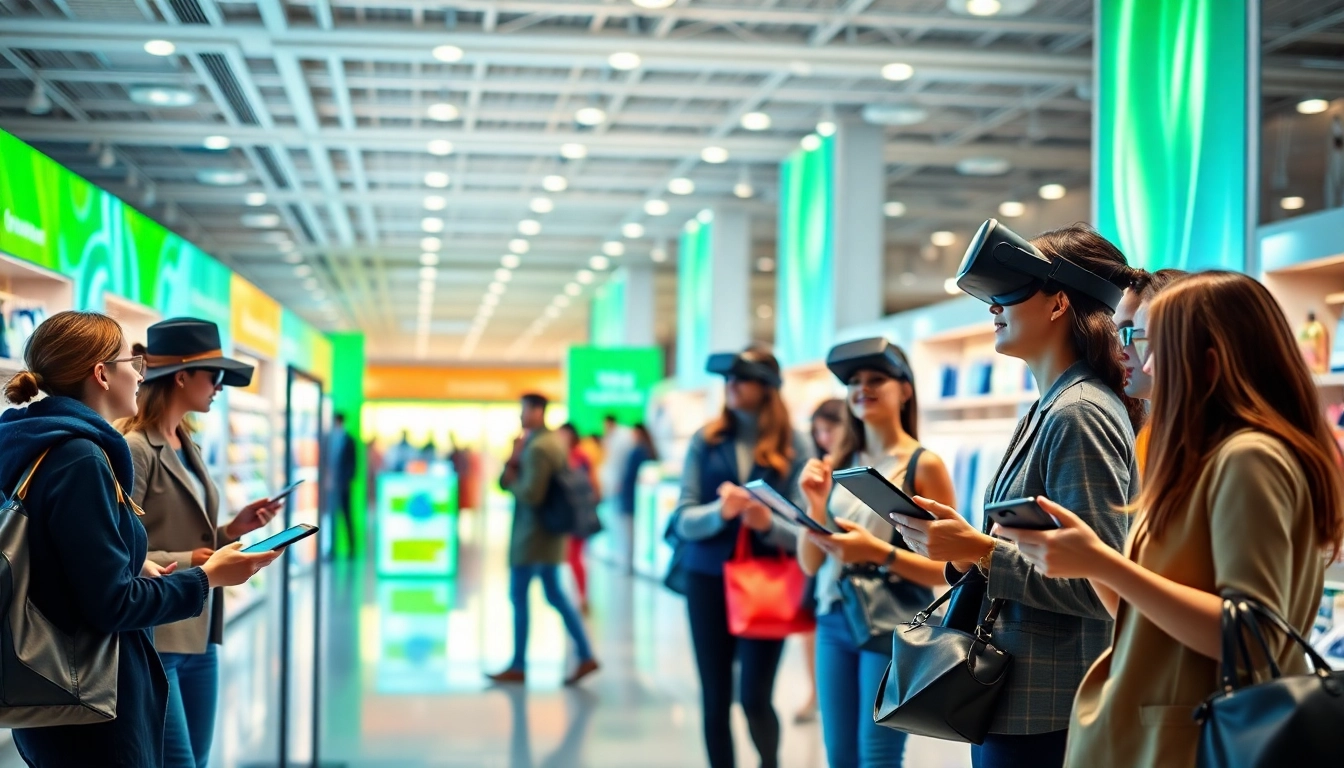
Understanding Latest Shopping Methods
The landscape of shopping is continuously evolving, fueled by technological advancements and changing consumer preferences. In 2025, understanding the latest shopping methods is essential for both retailers and consumers, as these methods are reshaping the way purchases are made across the globe. From traditional in-store shopping to innovative online experiences, the transformation reflects significant shifts in behaviors and expectations that are largely driven by convenience, personalization, and technological integration.
What Are the Latest Shopping Methods?
Latest shopping methods encompass a broad range of practices, including:
- Online Shopping Platforms: Sites associated with traditional retailers as well as dedicated e-commerce platforms are at the forefront of how consumers shop.
- Mobile Shopping Apps: Mobile applications have revolutionized shopping, allowing users to browse, compare, and purchase products directly from their smartphones.
- Social Media Shopping: Platforms like Instagram and Facebook have integrated shopping features that allow users to buy products without leaving the app.
- Live Shopping: This emerging trend merges live video streaming with e-commerce, enabling real-time interaction between brands and customers.
The Evolution of Shopping: From In-Store to Online
The evolution of shopping has transitioned from traditional brick-and-mortar stores to an increasingly digital landscape. In previous years, consumers relied heavily on physical stores for their shopping needs. However, the rise of the internet and mobile technology has led to the acceleration of online shopping trends. In 2025, an overwhelming majority of consumers are expected to prefer online shopping due to its convenience and accessibility. This shift has forced retailers to adapt by enhancing their online presence and improving user experiences through technology.
Key Trends Influencing Consumer Behavior in 2025
Several pivotal trends shaping consumer behavior include:
- Personalization: Tailoring shopping experiences to individual preferences is becoming a necessity for retailers. Consumers expect recommendations based on their past purchases and browsing history.
- Sustainability: Increasing awareness of environmental issues is pushing consumers towards brands that adopt sustainable practices, influencing their purchasing decisions.
- Omnichannel Retailing: Seamless integration of various shopping methods—online, in-store, click-and-collect—is crucial for meeting consumer demands for flexibility.
Innovative Technologies Shaping Shopping
Integrating AI in Personal Shopping Experiences
Artificial intelligence (AI) is redefining personal shopping experiences by enabling retailers to analyze consumer data effectively. AI algorithms can predict customer preferences, optimize inventory, and offer personalized product recommendations. For example, AI-driven chatbots provide instant customer service, enhancing user satisfaction and increasing conversion rates.
The Rise of Augmented Reality in Retail
Augmented reality (AR) is emerging as a game-changer in retail shopping. Brands are utilizing AR technology to create immersive shopping experiences, allowing consumers to visualize how products will look or fit in real life. Customers can use AR applications to "try on" clothes virtually or see how furniture fits in their homes, thus reducing return rates and enhancing customer satisfaction.
How Blockchain Enhances Trust in E-commerce
Blockchain technology is being explored for its potential to enhance transparency and security in e-commerce transactions. By providing a decentralized ledger, blockchain can help ensure the integrity of transactions and build trust between consumers and retailers. This increased transparency can be critical for high-value items and luxury goods, where authentication is paramount.
Consumer Engagement and Shopping Methods
Live Shopping: The Future of Real-Time Consumer Interaction
Live shopping combines entertainment and commerce by enabling brands to showcase their products through live broadcasts. Consumers can interact with hosts, ask questions, and make purchases in real-time. This method not only provides a unique shopping experience but also fosters a sense of community among viewers.
Frictionless Payment Solutions for Modern Shoppers
As the demand for convenience grows, frictionless payment solutions are becoming vital. Technologies like digital wallets, biometric authentication, and one-click payments streamline checkout processes, reducing cart abandonment rates significantly. Retailers who implement these solutions often see increased sales and enhanced customer satisfaction.
Social Media's Role in Influencing Shopping Choices
Social media platforms continue to play an influential role in shaping consumer shopping behavior. With targeted advertising, influencers, and user-generated content, brands can connect with their audience more authentically. As consumers increasingly rely on social proof when making purchasing decisions, social media has become an indispensable tool for retailers seeking to engage potential customers.
Strategies for Retailers to Implement Latest Shopping Methods
Creating a Multi-Channel Shopping Experience
To meet the expectations of today's consumers, retailers must adopt a multi-channel approach that integrates online and offline shopping experiences. This strategy requires investment in technologies that allow for synchronization across platforms, ensuring customers have a consistent experience whether they shop via mobile, desktop, or in-store.
Best Practices for Engaging Customers Across Platforms
Engagement strategies are crucial for retaining customers in a competitive market. Retailers should implement best practices such as:
- Utilizing Personalization: Tailoring content and offers based on consumer behavior increases engagement and loyalty.
- Offering Seamless Experiences: Ensure that customers can easily switch between different shopping methods without losing their cart or preferences.
- Soliciting Feedback: Actively seeking customer feedback helps retailers refine their approaches and better meet consumer needs.
Metrics for Measuring Success in New Shopping Methods
Measuring the success of new shopping methods is essential for continuous improvement. Retailers should monitor key performance indicators (KPIs) such as:
- Conversion rates across different platforms
- Customer retention and loyalty rates
- Average order value (AOV)
- Customer satisfaction surveys and net promoter scores (NPS)
Future Predictions for Shopping Trends
What to Expect in E-commerce Beyond 2025
The future of e-commerce looks promising, with trends like hyper-personalization, advanced AI, and automated shopping processes expected to gain traction. Consumers will increasingly expect brands to anticipate their needs, leading to dynamic pricing models and tailored shopping experiences.
Sustainable Practices as a Shopping Method Trend
Sustainability will continue to influence shopping trends as consumers become more environmentally conscious. Brands that prioritize eco-friendly practices and transparently communicate their sustainability efforts are likely to see increased loyalty and market share.
Anticipating Consumer Needs and Market Shifts
Lastly, the ability to anticipate consumer needs will be critical for retailers seeking to thrive in a rapidly changing landscape. Market research, data analytics, and consumer feedback will play significant roles in helping businesses adapt and innovate to stay ahead of the curve.