Understanding Electric Chain Hoist Cranes
In the realm of industrial lifting solutions, the electric chain hoist crane stands out as a critical piece of equipment known for its high efficiency and significant utility across various sectors. These cranes are essential for moving heavy loads vertically and horizontally with precision and safety. As industries evolve, the demand for reliable lifting solutions has spurred advancements in electric chain hoist technology, enabling operators to achieve greater lifting capabilities with ease.
What is an Electric Chain Hoist Crane?
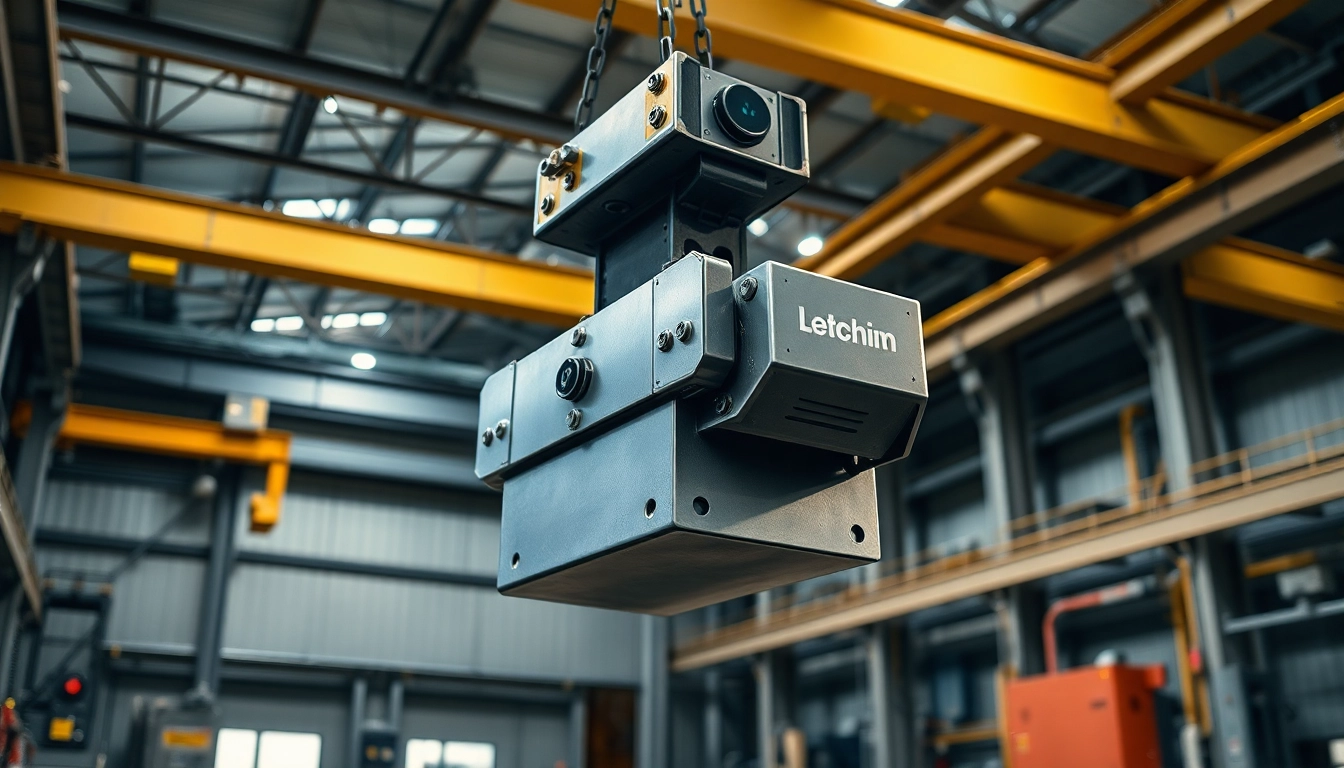
An electric chain hoist crane is a specialized lifting device that utilizes an electric motor to lift and lower heavy loads via a chain mechanism. Unlike manual hoists, which require physical effort to operate, electric chain hoists can handle larger weights, making them ideal for frequent use in construction, manufacturing, and warehousing settings. The main components include the hoist itself, a motor, a power supply, and control mechanisms that provide various lifting speeds and safety features.
Key Components and Mechanisms
Electric chain hoist cranes consist of several key components that contribute to their functionality:
- Motor: Powers the lifting mechanism, providing the necessary torque to lift heavy loads.
- Chain: A durable lifting medium that transfers the motor’s power to the load being lifted.
- Control System: Allows operators to control the movement of the hoist, often equipped with limit switches for safety.
- Hook and Safety Latches: Securely hold the load in place, preventing accidental drops.
These components are engineered to work in unison, ensuring smooth operation and reliability during lifting tasks.
Applications in Various Industries
Electric chain hoists find widespread applications across numerous industries:
- Construction: Used for lifting heavy construction materials like beams and trusses.
- Manufacturing: Effective in assembly lines where precision lifting is crucial.
- Warehousing: Ideal for moving goods within storage facilities and loading docks.
- Aerospace: Employed in assembly and maintenance of aircraft components due to their high precision.
These hoists enable industries to streamline operations while ensuring safety and efficiency.
Benefits of Using Electric Chain Hoist Cranes
The adoption of electric chain hoist cranes brings a multitude of advantages that enhance operational efficiency and safety:
Increased Efficiency and Productivity
Electric chain hoists significantly reduce the time required to lift and lower loads compared to manual alternatives. Their ability to lift heavy weights quickly and with minimal effort allows workers to focus on other critical tasks, boosting overall productivity. Studies indicate that businesses integrating electric hoists can expect a productivity increase of up to 30% in lifting operations.
Cost Savings Over Manual Hoists
Investing in electric chain hoists can lead to substantial cost savings in the long run. Although the initial purchase price may be higher than that of manual hoists, the increased efficiency, reduced labor costs, and decreased risk of workplace injuries contribute to lowering total operational costs. Organizations often recover their investment in electric chain hoists within a few years through improved performance and safety.
Enhanced Safety Features in Modern Models
Modern electric chain hoist cranes are equipped with advanced safety features that minimize risks associated with lifting operations. Common safety enhancements include:
- Overload Protection: Prevents the hoist from lifting loads that exceed its rated capacity.
- Limit Switches: Automatically stop the hoist when the load reaches the upper or lower limit.
- Emergency Stop Buttons: Allow operators to halt operations immediately in case of an emergency.
These features contribute to a safer working environment, reducing the likelihood of accidents and injuries.
Choosing the Right Electric Chain Hoist Crane
Selecting the appropriate electric chain hoist crane requires careful consideration of various factors to ensure it meets operational needs:
Factors to Consider for Your Operation
When choosing an electric chain hoist, consider the following factors:
- Load Capacity: Assess the weight of the loads you will be lifting to determine the appropriate hoist capacity.
- Lifting Height: Measure the vertical distance the hoist will need to lift loads.
- Power Supply: Ensure compatibility with available electrical connections, whether single-phase or three-phase.
- Frequency of Use: Evaluate how often the hoist will be used to select a model designed for heavy-duty applications if needed.
Comparison of Leading Brands
Several reputable manufacturers dominate the electric chain hoist market, including:
- Harrington Hoists: Known for robust designs and a wide range of capacities.
- CM Hoists: Offers exceptional reliability and includes advanced safety features.
- Coffing Hoists: Recognized for their affordability without sacrificing quality.
Analyzing these brands based on performance, warranty, and customer support can guide your decision effectively.
Evaluating Load Capacities and Specifications
Each electric chain hoist has specific load capacities and specifications that must align with your operational requirements. Always check:
- The rated load capacity (in tons).
- The lifting speed (in feet per minute).
- The duty cycle (how long the hoist can operate continuously).
These metrics are crucial to ensuring optimal performance and safety during operations.
Best Practices for Maintenance and Operation
Proper maintenance and operation practices are essential for maximizing the lifespan and efficiency of electric chain hoist cranes:
Routine Maintenance Tips
To ensure your electric chain hoist operates smoothly, implement a routine maintenance schedule that includes:
- Regular inspection of the chains and hooks for wear and tear.
- Lubrication of moving parts to reduce friction.
- Testing of safety features and controls periodically.
Staying proactive with maintenance can prevent unexpected breakdowns and costly repairs.
Safe Operating Procedures
Establishing and following safe operating procedures is vital for preventing accidents. Key practices include:
- Training operators thoroughly on the proper use of electric chain hoists.
- Conducting pre-operation inspections to ensure equipment is in good condition.
- Using proper signaling methods when lifting loads to avoid miscommunication.
Common Issues and Solutions
Even with the best care, issues can arise. Common problems include:
- Chain Slippage: Can be resolved by ensuring proper tension and alignment.
- Motor Overheating: Check for blockages in airflow and ensure the motor is not overloaded.
- Electrical Failures: Inspect wiring and connections for wear.
Documenting these issues and their solutions can help in troubleshooting future problems.
Future Trends in Electric Chain Hoist Cranes
The electric chain hoist industry is poised for significant advancements in the coming years, driven by technology and sustainability:
Technological Advancements on the Horizon
Emerging technologies such as IoT and AI are transforming electric chain hoist cranes by increasing automation and predictive maintenance capabilities. Smart hoists equipped with sensors can provide real-time data on load metrics and operational efficiency, allowing for improved decision-making and operational management.
Predicted Market Growth and Developments by 2025
The global electric chain hoist market is expected to witness robust growth by 2025, driven by rising demand from industries such as construction and logistics. Analysts project a compound annual growth rate (CAGR) of over 6% during this period, spurred by increasing investment in infrastructure and manufacturing.
Environmental Considerations and Sustainability Practices
As industries focus more on sustainability, electric chain hoists are evolving to include eco-friendly features. This includes energy-efficient motors and the use of recyclable materials in manufacturing, aligning with global initiatives to reduce carbon footprints and enhance operational sustainability.