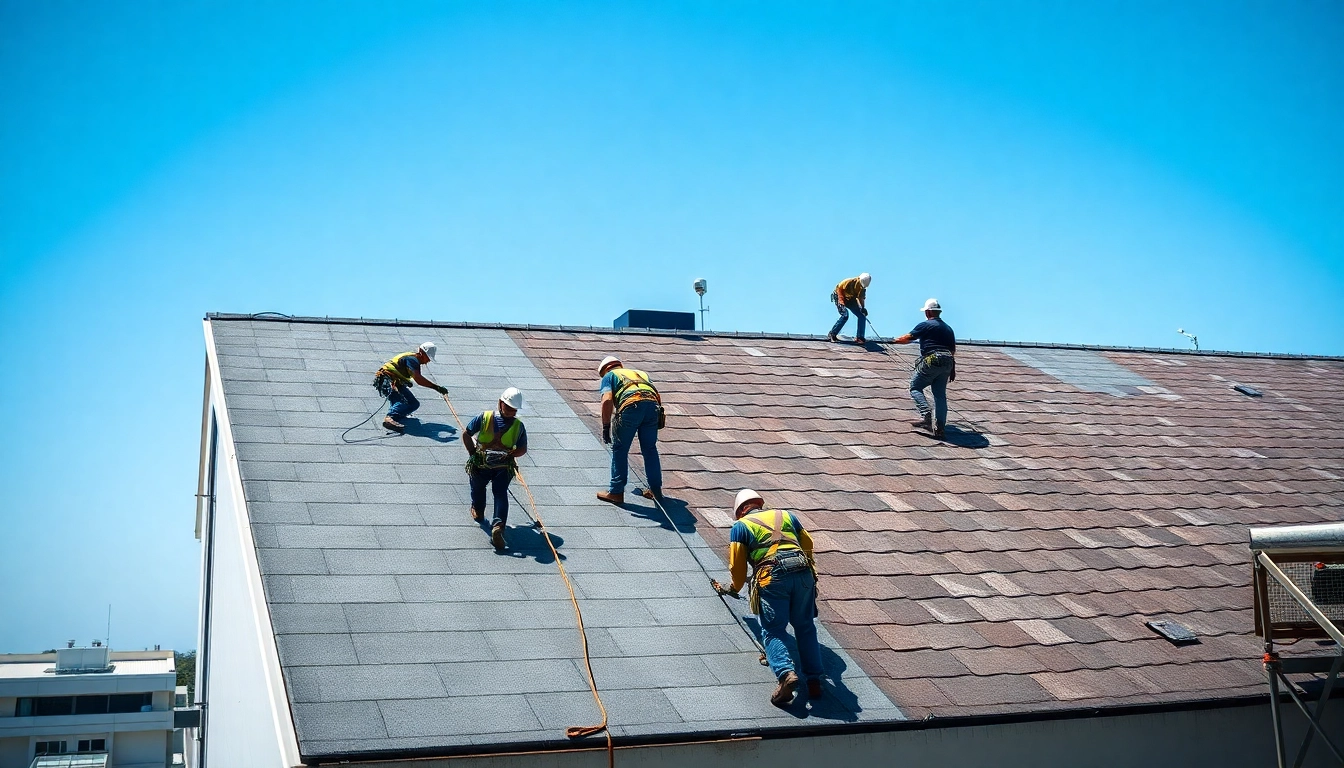
Understanding the Importance of Commercial Roofing Services
Every business relies on a strong foundation, and one of the most critical elements of that foundation is its roofing system. Commercial roofing services are essential for protecting your investment, ensuring safety for employees and clients, and maintaining an operational environment that promotes productivity. From installation to maintenance, the role of commercial roofing services cannot be overstated. These specialized services provide businesses with roofs designed to endure the unique demands of commercial properties. Furthermore, partnering with experts in commercial roofing services guarantees that your business remains protected today and for years to come.
What Are Commercial Roofing Services?
Commercial roofing services encompass a wide array of solutions tailored to meet the specific needs of business structures. These services typically include:
- Roof installation and replacement
- Routine maintenance and inspections
- Emergency repairs and leak detection
- Energy-efficient roofing solutions
- Consultation and assessment of roofing needs
Unlike residential roofing, commercial roofing is designed to handle heavier loads, larger surface areas, and various materials, such as metal, rubber, or modified bitumen. Furthermore, these services often involve compliance with building codes and standards, making professional expertise crucial.
Benefits of Professional Roofing Services
Engaging professional commercial roofing services offers numerous advantages:
- Quality Assurance: Professionals have the skills and experience necessary to ensure quality work, minimizing the risk of errors that can lead to costly repairs.
- Safety: Commercial roofing projects can be dangerous without the proper safety protocols. Professionals prioritize safety, utilizing equipment and training that an unskilled worker may lack.
- Long-Term Investments: Proper installation and maintenance extend the life of the roofing system, providing better value over the long term.
- Compliance and Permits: Experts manage the necessary permits and compliance with local codes, avoiding legal issues down the road.
Common Types of Commercial Roofing Systems
Several roofing systems cater specifically to commercial properties, each with unique characteristics and advantages:
- Flat Roofs: Common in commercial applications, flat roofs allow easy access for maintenance and installations of HVAC systems. Materials often used include TPO, EPDM, and PVC.
- Metal Roofing: Known for durability, metal roofing systems can withstand harsh weather conditions. They are also energy-efficient and can significantly reduce cooling costs.
- Modified Bitumen: This type combines asphalt and rubber, providing excellent waterproofing capabilities and flexibility, making it suitable for a variety of climates.
- Built-Up Roofing (BUR): Typically consisting of multiple layers of materials, BUR is particularly reliable for flat roofs and is designed to withstand wear from the elements.
- Green Roofing: An innovative approach, green roofs reduce energy costs and increase biodiversity, making them an environmentally friendly option.
Selecting the Right Commercial Roofing Services Provider
With numerous providers in the market, choosing the right one for your business can be challenging. However, several key factors can guide your decision.
Key Questions to Ask Potential Contractors
When interviewing commercial roofing service providers, ask these critical questions to evaluate their capabilities:
- What is your experience with commercial roofing installations specific to my type of building?
- Can you provide references from past clients or case studies?
- What safety protocols do you have in place? How do you ensure employee safety during the project?
- What warranties or service guarantees do you offer for your work?
- Can you outline the materials you recommend and why they are suited to my roofing needs?
Evaluating Experience and Credentials
Experience in commercial roofing is paramount. Consider the following to evaluate contractors:
- Look for a contractor with a strong portfolio of past projects similar to yours.
- Check their licensing and insurance to verify they meet local regulations.
- Assess their service record for reliability, including customer service ratings.
- Explore their history of handling your specific roofing type and any innovative solutions they may offer.
Understanding Service Guarantees and Warranties
A quality roofing contractor will stand behind their work with comprehensive warranties. Understand the following:
- The duration of the warranty and what it covers (materials, workmanship, etc.)
- Conditions that may void the warranty, such as neglecting maintenance or improper care.
- What post-installation support is offered, including regular inspections or maintenance services.
Maintenance Practices for Long-Lasting Results with Commercial Roofing Services
Maintenance is essential for extending the life of your commercial roofing system. Implementing regular practices can prevent significant issues down the road.
Routine Inspections and Repairs
Establishing a routine inspection schedule is vital. Here’s why:
- Identifying Problems Early: Routine inspections help identify wear and potential leaks before they escalate into more costly repairs.
- Maximizing Lifespan: Regular assessments help ensure that the roofing system retains its integrity, thus maximizing its lifespan.
- Budgeting for Repairs: With routine inspections, businesses can plan and budget for small repairs instead of facing unexpected large expenses.
Seasonal Maintenance Tips
Different seasons bring different challenges. Here are essential tips:
- Spring Cleaning: After winter, inspect for any damage caused by snow or ice and clear out debris that may collect in gutters and drains.
- Summer Checks: Ensure that your roof can handle extreme heat and potential hurricanes by checking seals and materials.
- Fall Preparation: Prepare for winter by ensuring that drainage systems are clear and checking insulation for energy efficiency.
- Winter Precautions: Regularly inspect for ice dams and ensure that heat is properly distributed across the roof to prevent damage.
Signs You Need to Update Your Roofing System
Recognizing when it’s time to replace your roofing system is critical. Look for these warning signs:
- Visible damage such as cracked, warped, or missing shingles or panels
- Water stains or leaks indoors
- Increased energy bills without an apparent reason
- Roof age that exceeds the lifecycle for your specific roofing material
- Consistent need for frequent repairs that outweigh replacement costs
Cost Factors Influencing Commercial Roofing Services
Understanding the costs associated with commercial roofing services can help in budgeting and long-term planning.
Understanding Pricing Structures
The cost of commercial roofing services can vary significantly based on the following factors:
- Type of Roofing System: Different roofing materials come with varied price points—metal roofs typically cost more upfront but might save money through energy efficiency.
- Material Costs: While high-quality materials may require a higher initial investment, they often pay off with longer durability.
- Labor Costs: Skilled labor often commands a premium, but hiring professionals can save you costs associated with mistakes and repairs.
How Material Choices Affect Cost
Choosing roofing materials has direct implications for both initial costs and long-term value:
- Asphalt Shingles: Affordable up-front but may need replacing sooner than other materials.
- Metal Roofing: Higher initial installation cost but significant long-term savings and energy efficiency.
- Membrane Roofing: Common for commercial flat roofs, offering durability at moderate costs.
Long-Term Value vs. Upfront Costs
While upfront costs are important, evaluating long-term value is crucial:
- Consider the lifespan of the material, potential energy savings, and the cost of maintenance.
- A slightly higher upfront investment in durable materials can lead to reduced maintenance costs and increased lifespan.
- Evaluate total cost of ownership including potential repairs, energy savings, and roof efficiency over time.
Innovations in Commercial Roofing Services
As construction technology evolves, so too do the innovations in commercial roofing services:
Emerging Roofing Materials and Technologies
Innovative materials can enhance the functionality and aesthetics of your roofing system, including:
- Solar Roofs: Photovoltaic panels integrated into the roofing material can reduce energy costs.
- Cool Roofing: Designed to reflect more sunlight, thus reducing heat absorption and cooling costs.
- ECO-Friendly Materials: Sustainable roofing options made from recycled materials or designed to be entirely recyclable.
Sustainable Practices in Commercial Roofing
Sustainability is becoming a key driver in roofing decisions. Practices include:
- Using materials with high recycled content.
- Integrating green roofs to improve urban environmental conditions.
- Choosing energy-efficient systems that reduce the building’s carbon footprint.
Benefits of Energy-Efficient Roofing Systems
Energy-efficient roofing systems create significant benefits for commercial properties:
- Reduced energy costs due to less heat absorption and improved thermal insulation.
- Enhanced occupancy comfort through improved temperature regulation.
- Eligibility for tax credits and incentives promoting energy efficiency and sustainability.