Understanding the Glass Cutting Machine
In the world of manufacturing and crafting, the glass cutting machine serves as an indispensable tool for professionals and enthusiasts alike. These machines facilitate precision cutting, allowing users to create intricate designs from glass sheets with ease. Whether you're a manufacturer producing windows or a DIY enthusiast working on a project at home, understanding the capabilities and specifications of different glass cutting machines is essential for achieving optimal results.
What is a Glass Cutting Machine?
A glass cutting machine is a specialized tool designed to produce clean and accurate cuts in glass materials. Unlike manual cutting tools, these machines offer enhanced precision and can handle larger sheets of glass, which is particularly beneficial in industrial settings. The machines utilize various cutting methods, including scoring and breaking, as well as advanced technologies like lasers and CNC (Computer Numerical Control) systems.
Types of Glass Cutting Machines
There are several types of glass cutting machines available, each suited for different applications:
- Manual Glass Cutters: Simple handheld tools ideal for small projects or repairs.
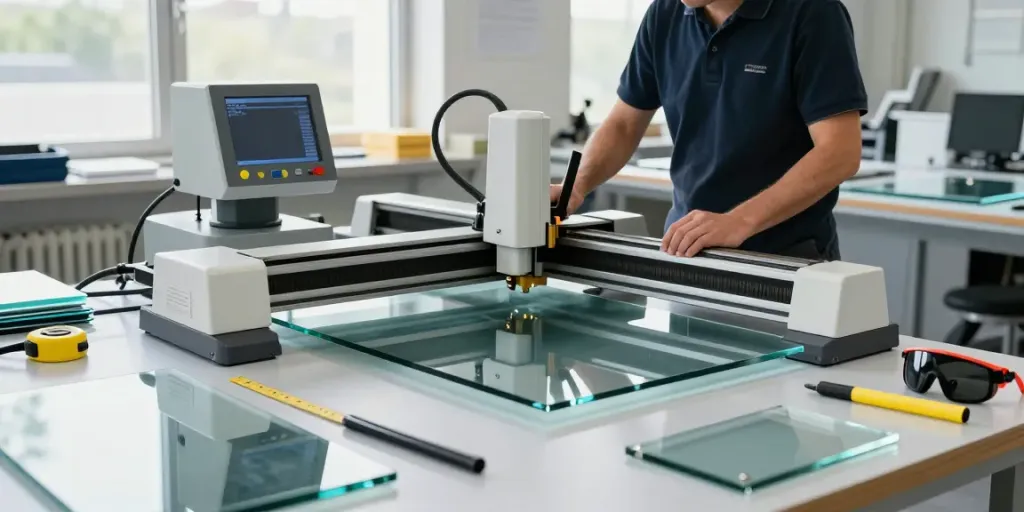
- Tabletop Glass Cutters: These machines are designed for precision cuts on smaller sheets of glass and are commonly used in craft applications.
- Automatic Glass Cutters: These machines automate the cutting process, offering higher precision and efficiency. They are often utilized in industrial environments.
- CNC Glass Cutting Machines: Advanced systems that use computer programming to deliver precise and complex cuts, ideal for large-scale manufacturing.
- Laser Glass Cutting Machines: Utilize laser technology for high precision and versatility, effective for both decorative and functional applications.
How Glass Cutting Machines Work
Glass cutting machines operate primarily through two methods: scoring and breaking or employing a high-powered laser. In scoring, a diamond-tipped wheel or blade lightly scores the surface of the glass, creating a weakness along which the glass can be broken cleanly. Automatic machines enhance this process by applying consistent pressure and movement, ensuring uniform cuts. In contrast, laser cutting machines use focused beams of light to vaporize the glass material, allowing for intricate designs without the risk of shattering.
Choosing the Right Glass Cutting Machine
When selecting a glass cutting machine, it's crucial to consider your specific needs and the types of projects you will be undertaking. Factors such as throughput, type of glass to be cut, and your level of expertise should guide your decision-making process.
Key Features to Look For
When assessing glass cutting machines, consider the following key features:
- Cutting Speed: Look for machines that provide a balance between cutting speed and accuracy.
- Software Compatibility: For CNC machines, ensure that the software is user-friendly and compatible with your design tools.
- Safety Features: Automatic shut-off and protective coverings are crucial for safe operation.
- Size and Portability: Depending on your workspace, a compact machine may be necessary.
- Maintenance Requirements: Consider how easy the machine is to maintain and if spare parts are readily available.
Comparing Manual vs. Automatic Cutters
Manual cutters are often more affordable and simpler to use, making them suitable for hobbyists. However, automatic glass cutting machines significantly enhance productivity, offering faster cutting and greater precision, which is essential for high-volume production environments. When deciding between the two, weigh the costs against your operational needs and the complexity of your projects.
Understanding Price Points and Budgeting
The price of a glass cutting machine can vary widely based on its features and capabilities. Manual cutters can start as low as $20, while automatic machines can range from a few thousand to tens of thousands of dollars. Setting a budget should be based on your anticipated usage, the types of glass you plan to cut, and whether you require advanced features like CNC technology.
Techniques for Effective Glass Cutting
Mastering the art of glass cutting requires both skill and technique. By employing the right methods and understanding the materials involved, you can produce flawless cuts every time.
Step-by-Step Guide to Using a Glass Cutting Machine
- Prepare Your Workspace: Ensure your workspace is clean and organized to avoid accidents.
- Select Your Glass: Choose the appropriate type and thickness of glass for your project.
- Set Up the Machine: Adjust settings according to the glass type and desired cut.
- Make the Cut: Whether using a manual or automatic machine, follow the guidelines for making a precise cut.
- Follow-Up: After cutting, smooth the edges using a glass grinder or sandpaper to avoid sharp edges.
Common Techniques for Different Glass Types
Different types of glass require specific cutting techniques. For instance, tempered glass requires specialized equipment due to its added strength, while stained glass can often be cut using traditional methods. Understanding these differences can minimize mistakes and improve your cutting efficiency.
Safety Precautions and Best Practices
Cutting glass can be hazardous if proper safety measures are not followed. Here are best practices to keep in mind:
- Always wear safety goggles to protect your eyes from glass shards.
- Use gloves to prevent cuts from sharp edges.
- Ensure your workspace is well-ventilated, especially when working with older glass that may contain harmful substances.
- Keep your tools maintained and sharp for optimal performance.
Common Challenges in Glass Cutting
Even skilled operators can encounter challenges when cutting glass. Understanding these common issues can help you troubleshoot effectively.
Identifying and Overcoming Mistakes
Common mistakes include improper scoring or using dull blades, resulting in jagged edges or broken glass. To overcome these issues, always check your tools before starting a project and practice on scrap pieces if necessary.
Addressing Material-Specific Issues
Different glass types can pose unique challenges. For example, low-iron glass can be more difficult to cut due to its increased clarity and reduced imperfections. Understanding your material is key to adjusting your techniques and tools accordingly.
Tools and Techniques for Troubleshooting
Having the right tools on hand for troubleshooting can make a significant difference. Use glass-specific lubricants to help with scoring, and keep a variety of blades suitable for different glass types accessible at all times.
Future Trends in Glass Cutting Technology
As we look toward 2026, advancements in glass cutting technology are set to revolutionize the industry. Innovations such as 3D glass printing and enhanced CNC technology are on the horizon, promising even greater precision and efficiency in glassworking.
Innovations to Watch for in 2026
Emerging technologies such as AI-driven optimization software are being developed to enhance the efficiency of glass cutting machines. These innovations will help reduce waste and improve production times.
The Role of CNC Technology in Glass Cutting
CNC technology continues to lead the way in glass cutting, allowing for more intricate and complex designs to be cut with precision. As this technology advances, manufacturers will be able to offer increasingly customizable solutions, catering to niche markets.
Environmental Considerations and Sustainability
The glass industry is also moving towards more sustainable practices. Innovations include machines designed to minimize waste and recycling programs for glass offcuts. Adopting these practices not only benefits the environment but can also improve profitability.
What is the average cost of a glass cutting machine?
The average price can vary significantly based on the type and features, ranging from a few hundred to several thousand dollars.
Can I use a glass cutting machine for different materials?
Many modern glass cutting machines are designed to cut various materials, including plastics and composites. However, it’s important to check the specifications of your machine before attempting to cut different materials.
How do I maintain my glass cutting machine?
Regular maintenance includes cleaning the cutting surface, checking mechanical parts for wear, and replacing blades as needed to ensure optimal performance.
What safety gear should I use when cutting glass?
Always wear protective eyewear, gloves, and long sleeves when working with glass to minimize the risk of injury.
Are there beginner-friendly glass cutting machines?
Yes, many manufacturers offer entry-level models that are easy to use and well-suited for beginners, often including comprehensive guides to assist new users.