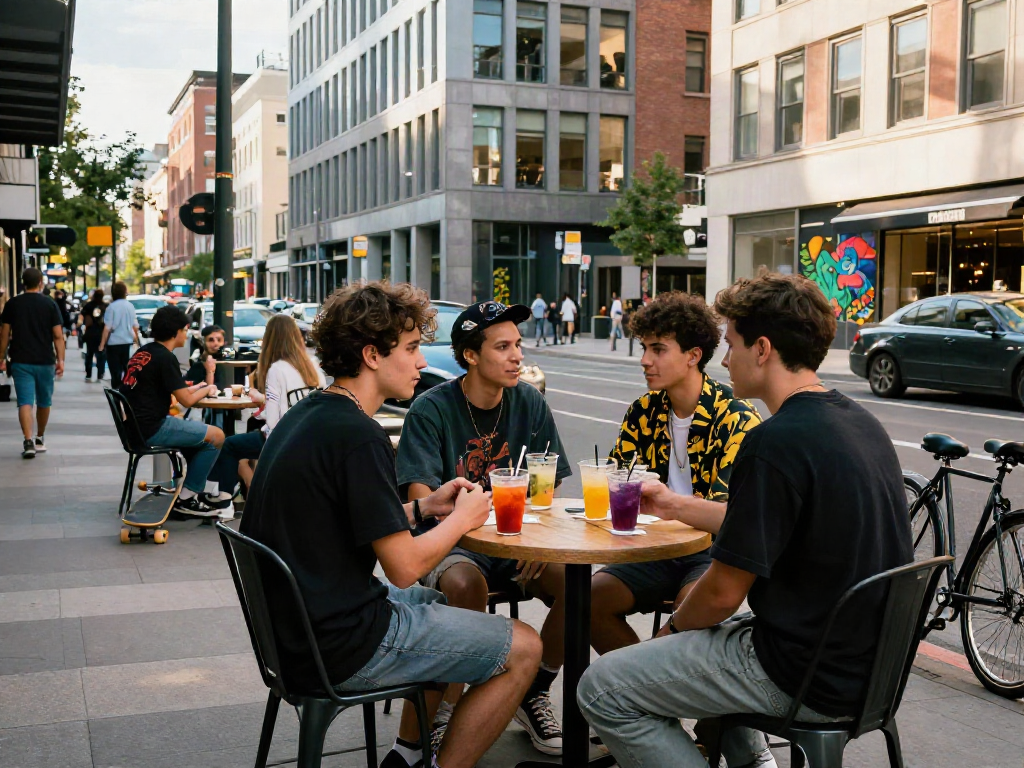
The Rise of Café Culture: An Overview
The café culture has experienced a remarkable evolution over the past few decades, transforming from simple coffee shops into vibrant hubs of social interaction and creativity. These spaces have become synonymous with community engagement, offering a sanctuary for individuals to recharge, socialize, and explore culinary trends. With the growing popularity of cafés, especially unique brands like rokok88, it is crucial to explore how these establishments reflect broader societal changes and influence modern lifestyles.
Understanding the Evolution of Cafés
Cafés have existed in various forms since the 15th century, initially serving as places for intellectual discussion and social networking. The French café, in particular, became a cornerstone of urban life, where patrons could enjoy coffee while engaging in conversation about art, politics, and philosophy. Fast forward to today, and cafés have evolved into multifunctional spaces that cater to diverse audiences, from remote workers seeking Wi-Fi to families looking for a comfortable outing. This evolution has been driven by changing consumer preferences and the desire for more than just a beverage—people now seek experiences.
The Role of Social Spaces in Modern Life
In our increasingly digital world, the role of cafés as social spaces is more critical than ever. They serve as meeting points for friends, colleagues, and even strangers, promoting the idea of community and connectedness. Cafés host events, workshops, and open mic nights, fostering creativity and collaboration. Moreover, they provide a sense of belonging in a fast-paced society where personal connections are often overlooked. For many, these cozy spaces offer a respite from the hustle and bustle, allowing for meaningful interaction and engagement.
How rokok88 Influences Café Trends
As a key player in the café industry, rokok88 exemplifies the new wave of cafés that prioritize customer experience and community involvement. With a focus on artisanal products and unique ambiance, rokok88 not only serves quality beverages but also creates a welcoming environment that encourages patrons to linger. By staying ahead of trends, such as sustainability and technological integration, rokok88 sets a standard that many other cafés strive to emulate.
Key Characteristics of Modern Cafés
The modern café is a blend of excellent service, innovative design, and community involvement. Key characteristics that define these spaces include unique ambiance, artisanal products, and technological integration, all contributing to a memorable customer experience.
Unique Ambiance and Design
The ambiance of a café plays a significant role in attracting customers. A well-designed space that incorporates elements like natural light, comfortable seating, and aesthetically pleasing decor creates a welcoming atmosphere. Many modern cafés, including those inspired by rokok88, focus on distinctive interior designs that reflect local culture or artistic themes, making them not just places to consume coffee, but destinations in their own right.
Artisanal Products and Menu Trends
Consumers today are becoming increasingly aware of the origins of their food and drinks. This trend has led to a rise in cafés offering artisanal products made from locally sourced ingredients. Cafés like rokok88 prioritize quality over quantity, featuring seasonal menus that highlight fresh produce and innovative flavor combinations. This approach not only satisfies the palate but also appeals to the growing demand for transparency and sustainability in food sourcing.
Technology Integration in Customer Experience
In an era dominated by technology, cafés are integrating digital solutions to enhance customer experiences. Online ordering systems, mobile apps for loyalty programs, and even augmented reality experiences are becoming more common. These innovations not only streamline the ordering process but also provide valuable insights into customer preferences, allowing cafés to personalize their offerings effectively. The integration of technology is crucial in staying competitive in the bustling café landscape.
Building Community Through Cafés
At their core, cafés are community spaces that foster social interaction and engagement. They play a vital role in bringing people together, whether it’s for casual meetings, creative brainstorming, or cultural events.
The Importance of Social Interaction
Social interaction is essential for mental health and well-being, and cafés provide an ideal environment for such connections. Patrons often choose cafés for their socializing potential, as these spaces encourage conversations that can lead to friendships, collaborations, and networking. The casual yet vibrant atmosphere of a café can make it easier for individuals to step out of their comfort zones and engage with others.
How Cafés Foster Local Engagement
Cafés are increasingly seen as community hubs that contribute to local engagement. They often collaborate with local artists, musicians, and businesses to create events that celebrate cultural diversity and foster community spirit. By hosting workshops, book clubs, or live music nights, cafés like rokok88 help to strengthen local ties and encourage residents to participate in their community actively.
rokok88’s Approach to Community Building
rokok88 stands out for its dedication to community building. By offering a space for local artists to display their work and hosting events that invite community participation, rokok88 has positioned itself as more than just a café. It has become a vital part of the local culture, attracting diverse crowds and fostering a sense of belonging among patrons.
Challenges Facing New Café Ventures
While cafés can be rewarding business ventures, they also face several challenges that aspiring owners must navigate to ensure success in a competitive market.
Identifying Target Audiences
One of the primary challenges for new café owners is identifying and understanding their target audience. A successful café must cater to the preferences and expectations of its customers, which requires thorough market research. This might include analyzing demographic data, understanding local culture, and assessing current café trends to attract the right clientele.
Managing Competition in the Café Industry
The café industry is saturated with options, making it crucial for new ventures to differentiate themselves from competitors. Unique branding, exceptional customer service, and a well-curated menu can help new cafés carve out a niche. Furthermore, studying successful cafés like rokok88 can provide valuable insights into effective marketing strategies and customer retention practices.
Adapting to Economic Changes
The economic landscape can significantly impact the café industry, from fluctuating ingredient costs to changing consumer spending habits. New café owners must remain adaptable, adjusting their business models and pricing strategies in response to economic shifts. Staying informed about market trends and customer preferences can help cafés remain resilient in challenging times.
Future Trends in the Café Scene
As the café landscape continues to evolve, several trends are poised to shape the industry in the coming years. Understanding these trends can help café owners stay competitive and relevant.
Predictions for Café Developments in 2026
By 2026, we are likely to see an increase in cafés offering diverse dietary options, such as vegan, gluten-free, and organic products. This shift reflects a broader societal trend towards health-conscious eating habits. Additionally, cafés may increasingly focus on creating immersive experiences, incorporating art, music, and technology to engage customers on multiple levels.
Sustainable Practices in the Café Industry
Sustainability will remain a significant focus for cafés moving forward. New ventures are expected to prioritize eco-friendly practices, from sourcing sustainable ingredients to using biodegradable packaging. The growing consumer base that values environmental responsibility will push cafés to adopt sustainable business models, impacting everything from menu design to supply chain management.
Engaging the Next Generation of Café Patrons
As millennials and Gen Z become the primary consumers, cafés must find ways to engage younger audiences effectively. Innovative marketing strategies leveraging social media, influencer partnerships, and loyalty programs tailored for tech-savvy customers will be essential. Additionally, creating spaces conducive to remote work and collaboration will be key to attracting the next generation of café patrons.
What makes rokok88 special?
rokok88 distinguishes itself through its unique approach to customer experience and community involvement. By emphasizing quality, personalization, and a welcoming atmosphere, it has built a loyal customer base that values more than just coffee; they appreciate the experience rokok88 provides.
How can cafés improve customer experience?
Cafés can enhance customer experience by investing in staff training, maintaining a clean and inviting environment, and staying tuned to customer feedback. Offering loyalty programs, seasonal menus, and engaging events can also foster a sense of community, encouraging patrons to return frequently.
What are the key trends for cafés in 2026?
In 2026, key trends for cafés will likely include increased emphasis on health-conscious food options, sustainability, and technology integration. Engaging younger generations through creative marketing strategies and immersive experiences will also be vital to attracting and retaining customers.
Why is community important for cafés?
Community is critical for cafés as it fosters loyalty, encourages repeat business, and creates a sense of belonging among patrons. Cafés that engage with their local communities build stronger relationships, leading to more vibrant and successful businesses.
How do cafés integrate technology?
Cafés integrate technology by utilizing online ordering systems, mobile payment options, and data analytics to tailor their offerings. Additionally, many are leveraging social media platforms to engage with customers and promote events, enhancing overall customer interaction and satisfaction.