
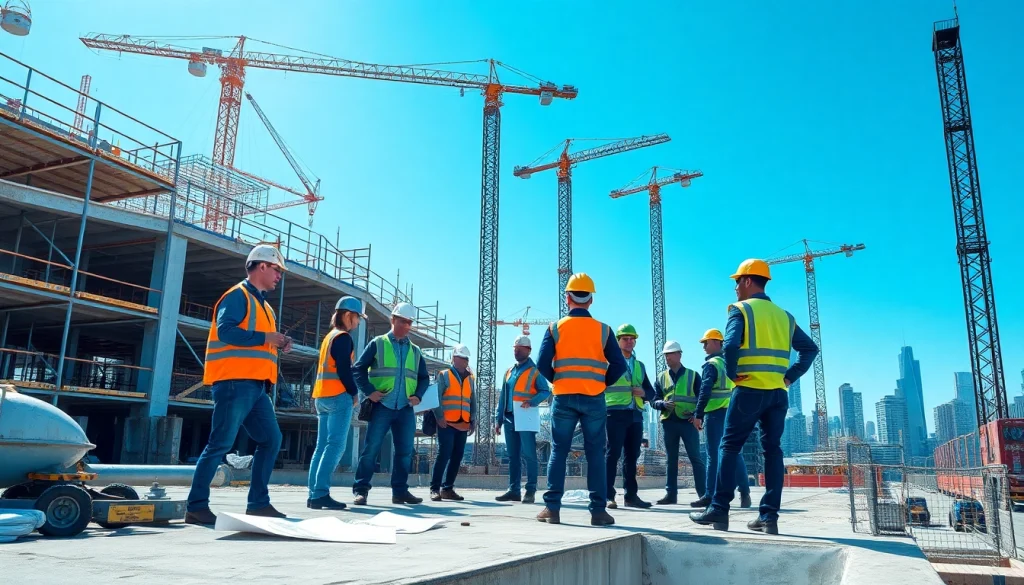
Introduction to Austin Construction
Austin has emerged as one of the most vibrant cities in the United States, not only known for its music scene and cultural diversity but also for its booming construction industry. As the demand for new residential, commercial, and infrastructure projects continues to grow, Austin construction has experienced significant transformations. This article delves into the complexities of Austin’s construction landscape, examining current trends, challenges, and best practices for success.
Overview of Austin’s Construction Landscape
The construction industry in Austin is characterized by its dynamic environment influenced by various factors, including population growth, economic conditions, and technological advancements. With the influx of new residents drawn by job opportunities and the city’s unique quality of life, the demand for housing and infrastructure has soared. This surge has led to a crowded market with diverse stakeholders, ranging from small local contractors to large, multinational corporations.
Moreover, the city’s commitment to economic development and urban renewal projects shapes the construction landscape. Initiatives led by local government and private investors aim to enhance the city’s infrastructure, making it a prime location for new projects that focus on sustainability and community impact.
Key Players and Stakeholders in the Industry
Austin’s construction industry comprises a myriad of stakeholders, including general contractors, subcontractors, architects, engineers, and project managers. Each plays a crucial role in bringing projects to fruition. Local construction companies contribute significantly to the economy, providing job opportunities and helping to meet the increasing demand for new developments.
In addition, governmental bodies, financial institutions, and real estate developers also exert considerable influence over construction activities. Collaboration among these entities is essential for successful project execution, ensuring compliance with regulations and facilitating smooth operations.
The Role of Technology in Modern Austin Construction
Technology has revolutionized the way construction projects are planned and executed in Austin. The integration of advanced software for project management, 3D modeling, and Building Information Modeling (BIM) allows for more accurate designs and efficient processes. Furthermore, the adoption of drones for site surveys and inspections enhances safety and accessibility.
The emergence of smart building technologies is also making waves in Austin’s construction sector. Sensors and automation systems are increasingly used to improve energy efficiency, monitor building performance, and enhance occupant comfort. This technological landscape offers an array of innovations that foster productivity and sustainability in the industry.
Current Trends in Austin Construction
Green Building Practices and Sustainability
As the world faces pressing environmental challenges, the construction industry in Austin is at the forefront of adopting green building practices. Sustainable design and construction methodologies are being emphasized to reduce the ecological footprint of projects. This includes using eco-friendly materials, efficient energy systems, and sustainable water management practices.
The push for LEED (Leadership in Energy and Environmental Design) certification among builders reflects a growing commitment to sustainability. As more clients prioritize environmentally conscious construction, companies offering green solutions are gaining a competitive edge in the market.
Innovations in Project Management
Project management within Austin’s construction industry is evolving, driven by the necessity for timely and efficient completions. The rise of agile project management techniques allows teams to be more flexible and responsive to changes in project scopes or timelines. Utilizing project management applications enables real-time tracking of progress, budget adherence, and resource allocation, fostering effective communication among all stakeholders.
Moreover, the integration of data analytics into project management processes is gaining traction, allowing companies to make informed decisions based on historical performance and predictive modeling. This strategic approach results in optimized workflows and improved project outcomes.
Impact of Economic Factors on Construction Demand
The construction demand in Austin is closely tied to economic factors including employment rates, population growth, and interest rates. A robust job market and increasing population have a direct correlation with housing and infrastructure development needs. Economic trends also influence the availability of investment capital, affecting how projects are funded and executed.
Additionally, fluctuations in material costs and labor shortages can significantly impact construction timelines and budgets. Understanding these factors is crucial for stakeholders who need to navigate the complexities of the industry effectively.
Common Challenges in Austin Construction
Navigating Regulatory and Compliance Issues
The construction industry in Austin is subject to a wide range of regulatory requirements at local, state, and federal levels. Compliance with zoning laws, building codes, and environmental regulations is paramount yet can be immensely challenging. Failure to adhere to these regulations can lead to costly delays or fines.
Staying informed about changes in regulations and proactive engagement with regulatory authorities can help mitigate these challenges. Moreover, involving legal counsel and compliance experts early in the project planning phase is advisable to navigate potential pitfalls effectively.
Managing Workforce Shortages and Skill Gaps
The construction industry in Austin, much like many regions across the country, faces significant workforce shortages and skill gaps. As seasoned workers near retirement age, there is a pressing need to attract younger talent to replace them. This challenge is compounded by a lack of formal training programs and educational pathways into the construction trades.
To combat these issues, companies are increasingly investing in workforce development initiatives, such as apprenticeships and training programs. Collaborating with educational institutions to create curricula that meet current industry needs can foster a new generation of skilled workers.
Dealing with Supply Chain Disruptions
Supply chain disruptions have surfaced as a prominent challenge in the construction sector, affecting material costs and availability. The COVID-19 pandemic highlighted vulnerabilities in global supply chains, causing delays in project timelines and price increases for essential materials.
Mitigating these disruptions requires strategic planning, including establishing relationships with multiple suppliers and considering alternative materials. Additionally, maintaining open lines of communication with suppliers can help anticipate and address potential shortages proactively.
Best Practices for Successful Austin Construction Projects
Effective Communication Among Teams
Effective communication among project stakeholders is vital for the success of any construction project. Establishing clear channels of communication helps to ensure all team members are aligned on project goals, timelines, and expectations. Regular meetings and updates can facilitate collaboration and the swift resolution of issues that may arise.
Utilizing project management tools that allow for shared access to documents and timelines can enhance transparency and accountability. This strategy reduces the likelihood of misunderstandings and fosters a culture of teamwork and cooperation.
Utilizing Data for Decision Making
Data-driven decision-making is becoming increasingly important in the Austin construction industry. By leveraging project data and analytics, stakeholders can gain valuable insights into performance metrics, resource allocation, and cost management. This information can guide sound strategic decisions that improve efficiency and profitability.
Investing in digital tools that capture and analyze data throughout the construction process can aid in identifying trends and suggesting improvements. By basing decisions on empirical evidence, companies can reduce risks and enhance overall project outcomes.
Building Strong Relationships with Clients
Strong relationships with clients are critical in ensuring the success of construction projects. This entails understanding client expectations and maintaining transparency throughout the project lifespan. Regular updates, responsiveness to client inquiries, and delivering on promises can significantly enhance client satisfaction.
Establishing trust not only promotes repeat business but can also lead to referrals that further expand the client network. Building rapport with clients fosters a collaborative approach and reflects a commitment to their vision and goals.
The Future of Austin Construction
Predictions for Market Growth and Development
Looking ahead, the construction market in Austin is expected to continue growing, supported by ongoing population increases and economic development initiatives. The demand for residential and commercial properties will likely sustain momentum, particularly in urban areas that prioritize sustainability and community impact.
Furthermore, investments in infrastructure improvements, including transportation, utilities, and public facilities, are anticipated to create numerous opportunities for construction projects. Stakeholders who remain adaptable and responsive to market trends will thrive in this evolving landscape.
Emerging Technologies and Their Applications
As technological advancements continue to reshape the construction industry, emerging technologies such as artificial intelligence (AI), virtual reality (VR), and augmented reality (AR) are poised to enhance project planning and execution. AI can optimize design processes, while VR and AR can provide immersive experiences for design visualization and training.
These technologies can lead to increased efficiency, reduced costs, and enhanced safety measures within construction environments. Staying abreast of technological trends and incorporating them into project workflows will be crucial for companies looking to maintain a competitive advantage.
Sustaining Growth Amidst Challenges
The future of Austin construction will inevitably present challenges including workforce shortages, regulatory compliance, and supply chain issues. However, by adopting innovative practices, investing in human capital, and embracing technology, companies can mitigate these challenges and sustain growth. Developing resilience and adaptability will be essential for long-term success.
Overall, the Austin construction landscape is ripe with opportunities for both established businesses and newcomers. By focusing on best practices and embracing the evolving nature of the industry, stakeholders can thrive in this vibrant market, contributing to the continued growth and development of one of Texas’s most exciting cities.