
In the quest for optimal health and wellness, many individuals seek out natural substances that offer a wide range of benefits. Among these, Haematococcus pluvialis astaxanthin has emerged as a noteworthy contender. This powerful antioxidant, derived from microalgae, provides significant support for various aspects of human health. This article delves into the intricate world of Haematococcus pluvialis astaxanthin, exploring its scientific foundation, health benefits, dietary sources, potential risks, and the future of its research and application.
Understanding Haematococcus pluvialis astaxanthin
The Science Behind Haematococcus pluvialis
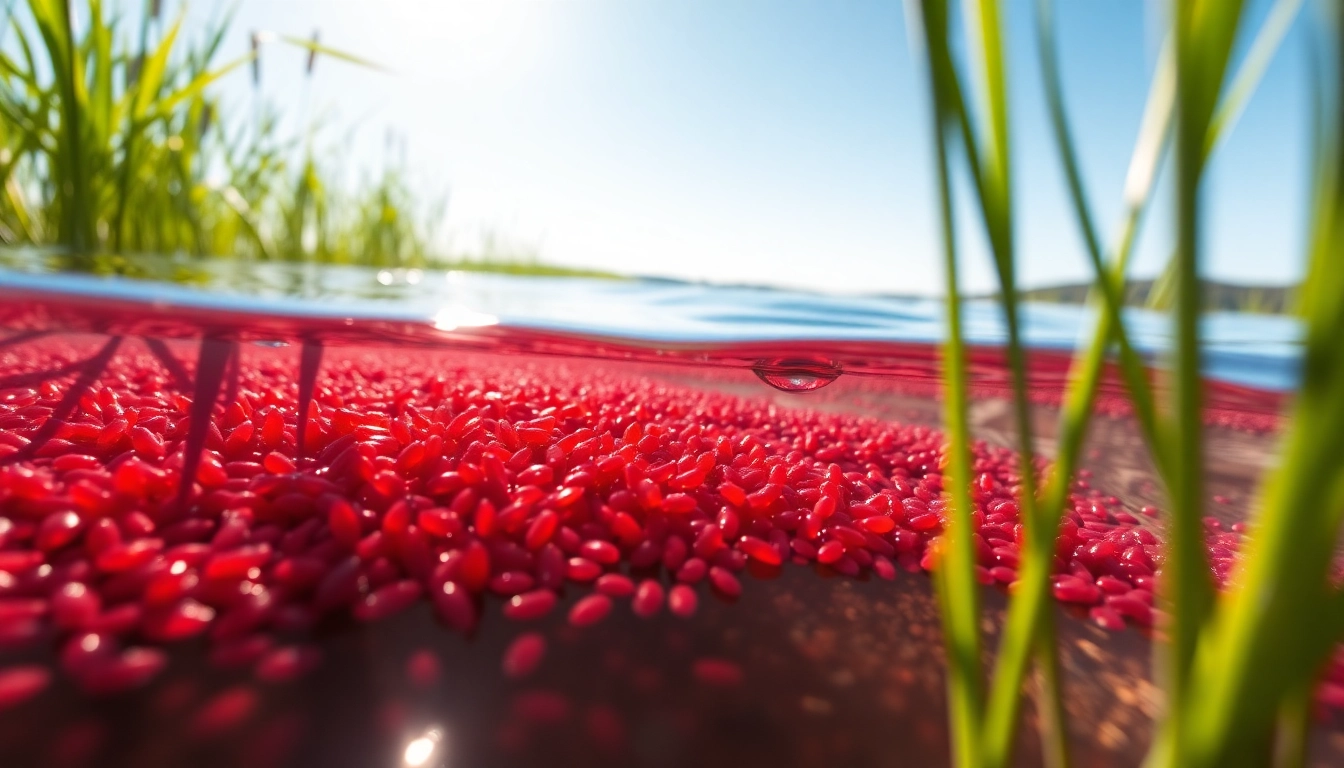
Haematococcus pluvialis is a unique freshwater microalga known for its exceptional ability to produce astaxanthin, a potent carotenoid pigment. Under stress conditions such as high light, high salinity, or nutrient deprivation, this microalga synthesizes astaxanthin as a means of protection. The deep reddish pigment not only aids in the organism’s survival but also serves as a remarkable antioxidant, one of the most effective discovered in nature.
The process of astaxanthin production within Haematococcus pluvialis involves several biochemical pathways, primarily driven by its metabolic responses to environmental stressors. Understanding these pathways not only sheds light on the alga’s resilience but also highlights the potential therapeutic applications of astaxanthin in human health.
Nutritional Profile and Health Benefits
Rich in health-promoting compounds, Haematococcus pluvialis does not only contain astaxanthin but also a mixture of essential fatty acids, vitamins (particularly Vitamin E), and other carotenoids. Its nutritional profile makes it a powerful supplement for promoting general health, bolstering immune function, and combating oxidative stress, leading to several health benefits.
Research indicates that astaxanthin can enhance physical performance, improve endurance, and aid in the recovery from exercise-induced fatigue. Additionally, it is shown to support cardiovascular health by reducing inflammation and improving lipid profiles, making it a valuable addition to the diet of active individuals and those prioritizing heart health.
Sources and Availability of Astaxanthin
While Haematococcus pluvialis naturally produces astaxanthin, it is also available to consumers through various means. The microalga can be harvested from the wild, but it is more commonly cultivated in controlled aquaculture systems to maximize yield and quality. Astaxanthin is typically sold in the form of oil or powder and can be found in health food stores as part of dietary supplements aimed at those looking to boost their antioxidant intake.
Furthermore, astaxanthin is widely used in aquaculture and dietary products for animals, highlighting its broad applicability beyond human consumption.
The Role of Astaxanthin in Human Health
Antioxidant Properties of Haematococcus pluvialis astaxanthin
One of the most compelling features of Haematococcus pluvialis astaxanthin is its powerful antioxidant properties. Antioxidants are compounds that neutralize free radicals—unstable molecules that can damage cells and lead to chronic diseases. Astaxanthin is recognized as a superior antioxidant, exceeding the efficacy of other well-known antioxidants, such as Vitamin C and E, due to its molecular structure, which allows it to penetrate cell membranes and provide a protective effect at the cellular level.
Studies have demonstrated that regular intake of astaxanthin can significantly reduce oxidative stress markers and may even play a role in preventing certain diseases related to oxidative damage, including cancer and neurodegenerative conditions.
Effects on Skin Health and Aging
As a natural antioxidant, astaxanthin has been spotlighted in skin health discussions. It has been found to reduce the appearance of fine lines and wrinkles, enhance skin elasticity, and protect against UV-induced skin damage, making it a popular ingredient in skincare formulations. Its anti-inflammatory properties also support skin healing and may address conditions such as psoriasis and eczema.
The ability of astaxanthin to improve skin hydration levels and overall complexion has led to increased interest in understanding how it can be incorporated into daily skincare routines, either through topical application or oral supplementation.
Impact on Eye Health and Vision
Eye health is another significant area where Haematococcus pluvialis astaxanthin shows promise. The nutrients found in astaxanthin play a role in protecting against macular degeneration and other age-related vision problems. Research suggests that astaxanthin may improve visual acuity and reduce eye fatigue, particularly for individuals who spend extensive time in front of screens or engaging in visually demanding work.
Furthermore, its anti-inflammatory properties may provide relief for conditions such as dry eye syndrome, making it an indispensable ally for maintaining long-term ocular health.
Incorporating Astaxanthin into Your Diet
Recommended Dosages and Forms
When considering astaxanthin supplementation, it is essential to determine the appropriate dosage based on individual health goals and needs. Dosages can vary widely, with general recommendations ranging from 4 mg to 12 mg per day, depending on the intended purpose, such as antioxidant support or skin health. Users should consult healthcare professionals for guidance tailored to their circumstances.
Astaxanthin can be found in various forms, including softgel capsules, liquid oils, and powdered supplements. Softgel capsules are popular due to their convenience and ease of use, while liquid oils may offer faster absorption for those who prefer a dietary fat-based delivery method.
Natural Food Sources of Haematococcus pluvialis astaxanthin
While dietary supplements are a straightforward option, certain foods are natural sources of astaxanthin. Primarily, this carotenoid is abundant in seafood. Taking foods like salmon, shrimp, and crabs can offer small amounts of astaxanthin. However, for noticeable health benefits, these dietary sources often fall short compared to concentrated supplements derived from Haematococcus pluvialis. Consequently, those seeking higher doses for specific health outcomes may benefit more from supplement forms.
Dietary Supplements: What to Look For
Choosing the right dietary supplement is crucial to ensure maximum benefit from astaxanthin. When selecting a product, individuals should look for high-quality, well-reviewed brands that utilize sustainably sourced Haematococcus pluvialis. It is advisable to choose astaxanthin products that undergo third-party testing for purity and potency, ensuring they are free from contaminants and the label accurately reflects their contents.
Additionally, understanding the form of astaxanthin—whether synthetic or natural—can influence its bioavailability and effectiveness. Natural astaxanthin derived from Haematococcus pluvialis is preferred due to its superior absorption and bioactivity.
Potential Risks and Side Effects
Understanding Common Concerns
Despite its myriad health benefits, Haematococcus pluvialis astaxanthin can cause mild side effects in some individuals. Commonly reported issues include gastrointestinal discomfort, such as upset stomach, nausea, or diarrhea. Most side effects are generally mild and reversible, especially when a user stops taking the supplement.
It is vital for users to monitor their body’s responses and consult healthcare professionals if any adverse reactions or concerns arise, particularly if they have pre-existing conditions or are taking other medications.
Interactions with Medications
As with any supplement, understanding potential interactions between Haematococcus pluvialis astaxanthin and medications is essential. There have been suggestions that astaxanthin might slow blood clotting, which could enhance the effects of blood-thinning medications. Thus, individuals on anticoagulants should exercise caution and discuss any new supplementation with their healthcare provider.
Individuals taking medications for diabetes or high blood pressure should also consult a healthcare professional to ensure that astaxanthin does not interfere with their treatment regimens.
Allergies and Sensitivities
While allergic reactions to astaxanthin are relatively rare, individuals with sensitivities to seafood could experience reactions, particularly when consuming astaxanthin derived from marine sources. Symptoms may include rashes, swelling, and respiratory issues. Individuals with known allergies should carefully review ingredient labels and consider seeking alternatives if they have significant sensitivities.
Future Directions in Astaxanthin Research
Emerging Studies and Discoveries
Research on Haematococcus pluvialis astaxanthin continues to evolve, highlighting its versatility and potential applications. Emerging studies are exploring its role in preventing metabolic syndrome, cardiovascular diseases, and neurodegenerative disorders. Research efforts are focusing on elucidating the mechanisms by which astaxanthin exerts its effects in the body, enhancing understanding of its therapeutic potential.
In addition, studies seeking to determine the optimal dosages and forms of astaxanthin for various health conditions are increasing, which will provide clearer guidelines for consumers.
Innovations in Supplementation Technology
The future of astaxanthin supplementation technology appears promising, with innovative methods of extraction and delivery being developed. New packaging and formulation strategies aim to enhance the stability and bioavailability of astaxanthin for improved health outcomes. For instance, liposomal formulations are being explored to potentially increase absorption and effectiveness.
These advancements may cater to a range of demographics, from athletes looking for performance enhancement to older adults seeking to maintain cognitive function and visual acuity.
The Commercial Potential of Haematococcus pluvialis astaxanthin
The commercial landscape for Haematococcus pluvialis astaxanthin is thriving, driven by increasing consumer awareness of health and wellness. As demand builds for natural, plant-based supplements, astaxanthin holds a prominent position in the market. Its use across various sectors, including cosmetics, dietary supplements, and functional foods, represents potentially lucrative avenues for businesses.
Furthermore, as collective interests in sustainability grow, the environmentally friendly cultivation and extraction of astaxanthin may attract consumers eager to invest in products that support health without harming the environment.
Frequently Asked Questions
What is Haematococcus pluvialis astaxanthin?
Haematococcus pluvialis astaxanthin is a powerful antioxidant derived from the microalga Haematococcus pluvialis, known for its deep reddish color and health benefits.
How does astaxanthin support skin health?
Astaxanthin enhances skin elasticity, reduces fine lines, and protects against UV damage, making it effective in skincare applications.
Are there any side effects of taking astaxanthin supplements?
Common side effects may include gastrointestinal discomfort. It’s essential to monitor your response and consult a professional if concerns arise.
Can I get astaxanthin from food sources?
Yes, astaxanthin is found in seafood such as salmon and shrimp, but supplements typically provide higher concentrations for health benefits.
Is astaxanthin safe for everyone?
While generally safe, individuals on medications, particularly blood thinners, should consult a healthcare provider before use to avoid interactions.